Comprehensive Fence Installation in Stagecoach TX: Securing Your Acreage with Style
Comprehensive Fence Installation in Stagecoach TX: Securing Your Acreage with Style

Homeowners in Stagecoach, TX, enjoy a unique lifestyle that blends the peace of a small, wooded city with the beauty of expansive, acreage-style lots. Whether you live near the quiet waters of Stagecoach Lakes or on a sprawling property along the outskirts of the city, your home's perimeter is its first line of defense. A high-quality fence does more than just define your property lines: it provides security for your family, keeps pets safe from local wildlife, and significantly enhances the rustic charm of your estate. In this guide, we will explore everything you need to know about fence installation in our community, from choosing materials that withstand the Texas elements to understanding the logistics of fencing larger properties.
The Growing Need for Quality Fence Installation in Stagecoach
Stagecoach is known for its tall pines and large residential lots, which create a beautiful but demanding environment for any outdoor structure. As our city continues to be a refuge for those seeking space away from the dense suburban sprawl, the demand for durable, professional fencing has increased. Many residents find that older, existing fences were not built to handle the specific environmental stressors of Montgomery County, leading to premature failure and security gaps.
When you invest in a new installation, you are addressing more than just aesthetics. For properties with significant acreage, a fence serves as a critical barrier against wandering livestock or the various wildlife that call our wooded areas home. Choosing a professional crew for your wood fence replacement ensures that the structure is engineered to handle the wind loads and soil shifts that are common in our part of the state.
Identifying the Problem with Outdated Fencing
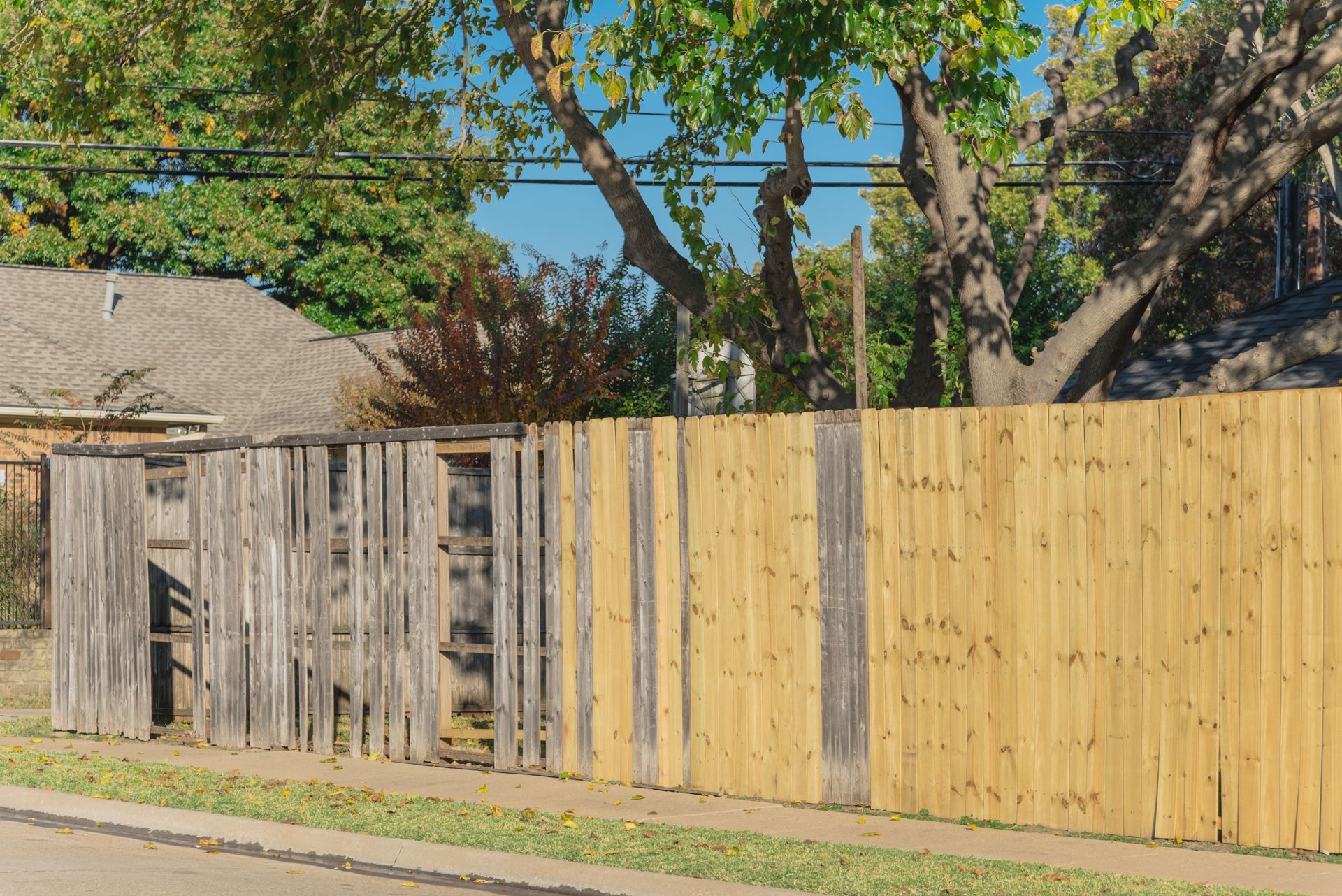
Many Stagecoach properties still feature original fencing that may be decades old. Over time, even the sturdiest materials begin to succumb to the relentless Texas cycle of heavy spring rains followed by intense summer heat. If your current perimeter is leaning, has missing pickets, or shows signs of significant wood rot at the base, it is likely no longer providing the protection you need.
An outdated fence can also become a liability. On large lots, a falling fence can damage neighboring trees or become a tripping hazard for horses or other animals. Furthermore, an aging fence often detracts from the overall value of your home. If the wood has turned a dark, mossy green or a brittle silver, the structural integrity of the rails and posts is likely compromised beyond the point of simple repairs.
Common Signs Your Stagecoach Home Needs a New Perimeter
It is important to walk your property line at least once a year to look for early warning signs of failure. In Stagecoach, where properties are often more secluded, these issues can go unnoticed until a major section collapses. Look for "heaving" posts, which occur when the soil expands and pushes the concrete footing out of the ground. You should also check for "wicking," where the bottom of the wood pickets absorbs moisture from the tall grass and soil, leading to a soft, spongy texture.
Structural instability is another major red flag. If you can push on a post and feel significant movement, the portion of the wood buried underground has likely rotted away. This is particularly common in older installations where the posts were not properly treated or set in deep concrete footings. If your gates are sagging or difficult to latch, it often indicates that the entire fence line has shifted and requires professional intervention.
Root Causes of Fence Failure in Montgomery County
The primary cause of fence failure in our region is the combination of high humidity and reactive soil. Stagecoach sits in an area with a mix of sandy loam and clay-rich soil. During a wet Texas winter, the clay absorbs water and expands, putting immense pressure on your fence posts. When the summer drought arrives, the soil shrinks and cracks, often leaving the posts loose and unstable.
Termites and wood-boring insects are also a constant threat in our wooded environment. Untreated or poorly maintained wood provides the perfect habitat for these pests. Additionally, the heavy canopy of pine trees in Stagecoach means that fences are often subjected to falling limbs and a constant accumulation of pine needles at the base. If these needles are not cleared away, they trap moisture against the wood, accelerating the rotting process.
Solutions: Selecting the Right Material for Stagecoach Properties
Choosing the right material for your installation is the most important decision you will make. For the large lots common in Stagecoach, homeowners typically choose between wood, vinyl, or ornamental iron, depending on their specific needs for privacy and security.
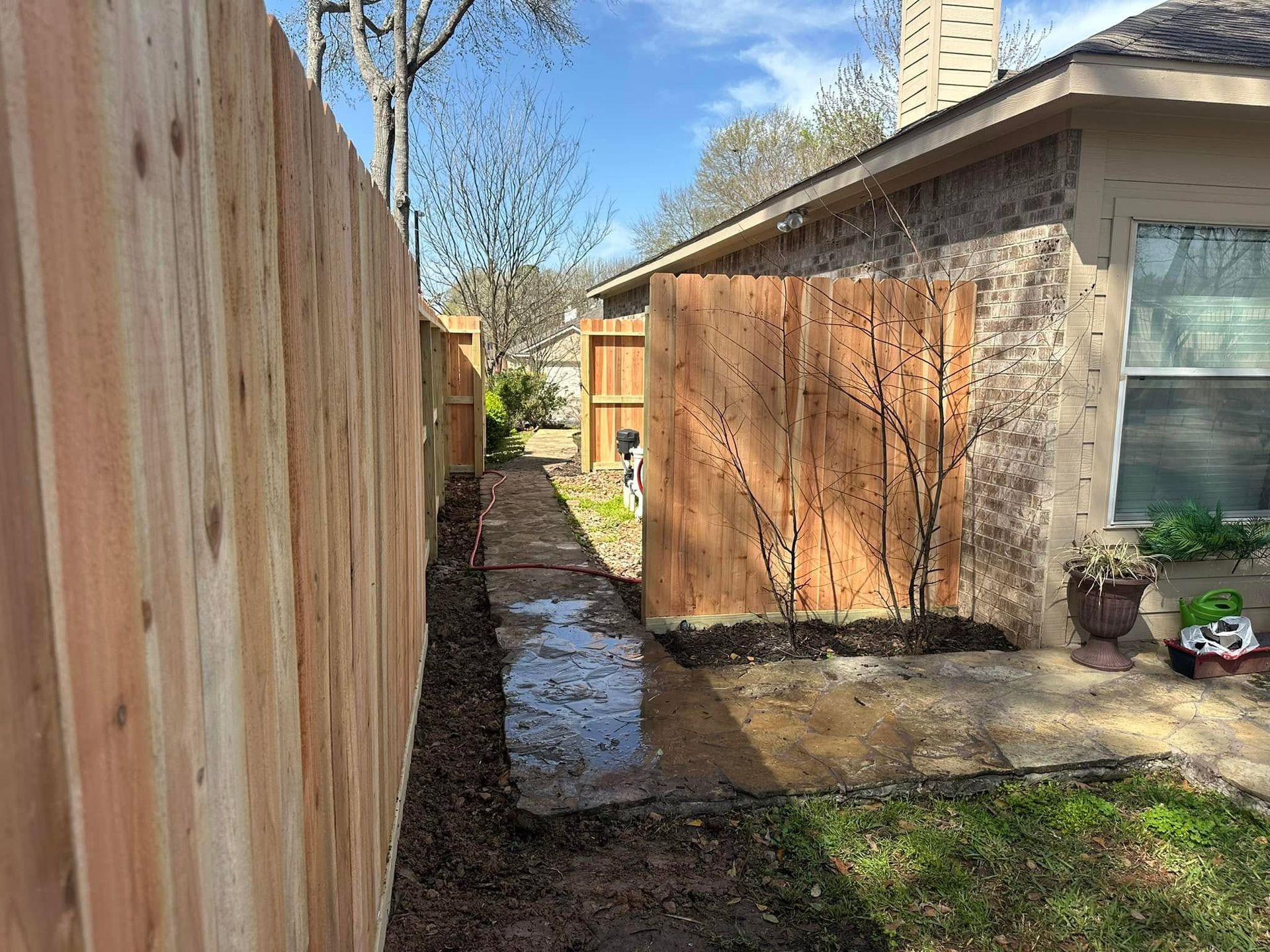
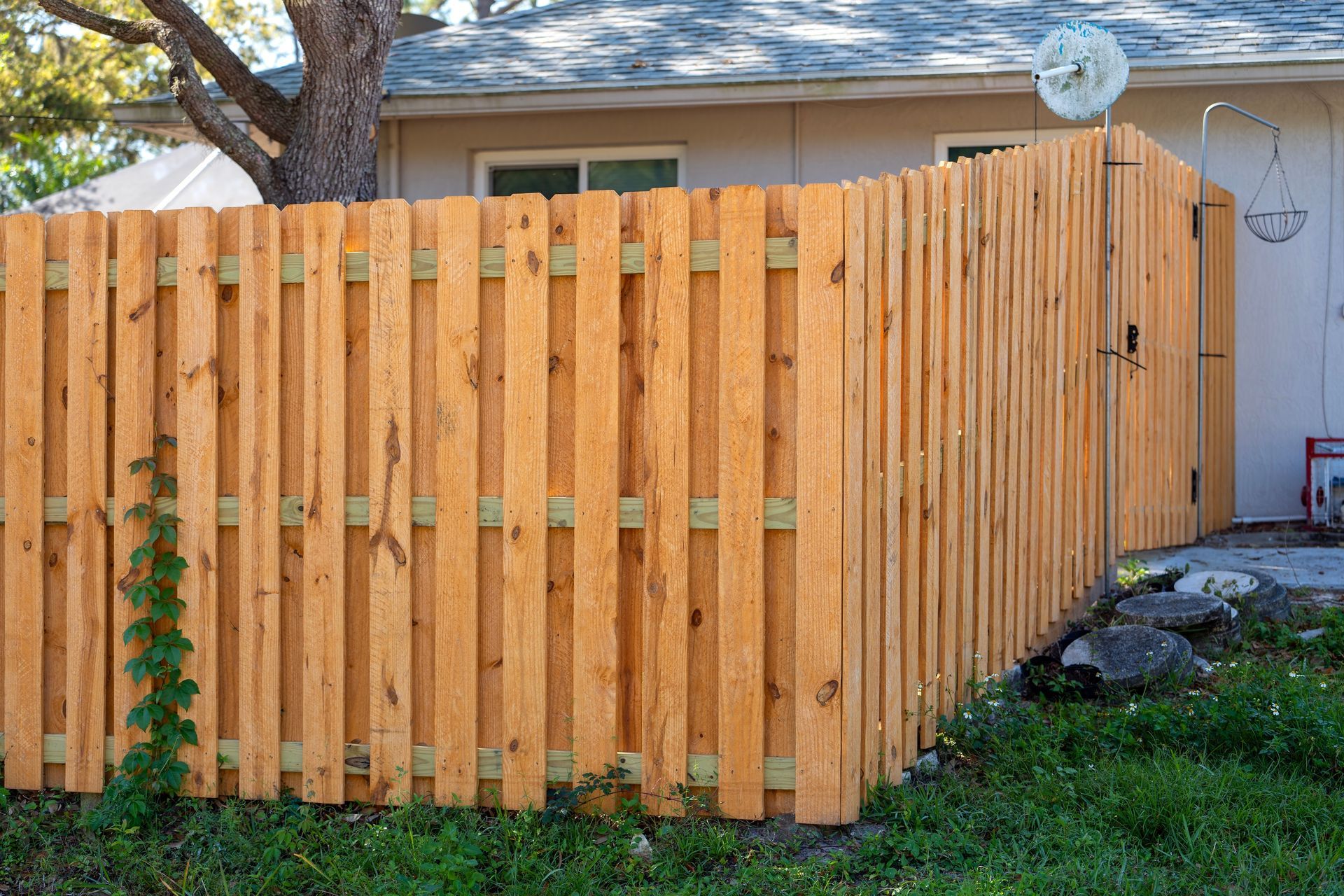
- Western Red Cedar: This is the gold standard for Texas fencing. Its natural oils resist rot and insects, and it handles the humidity of Southeast Texas better than almost any other wood species.
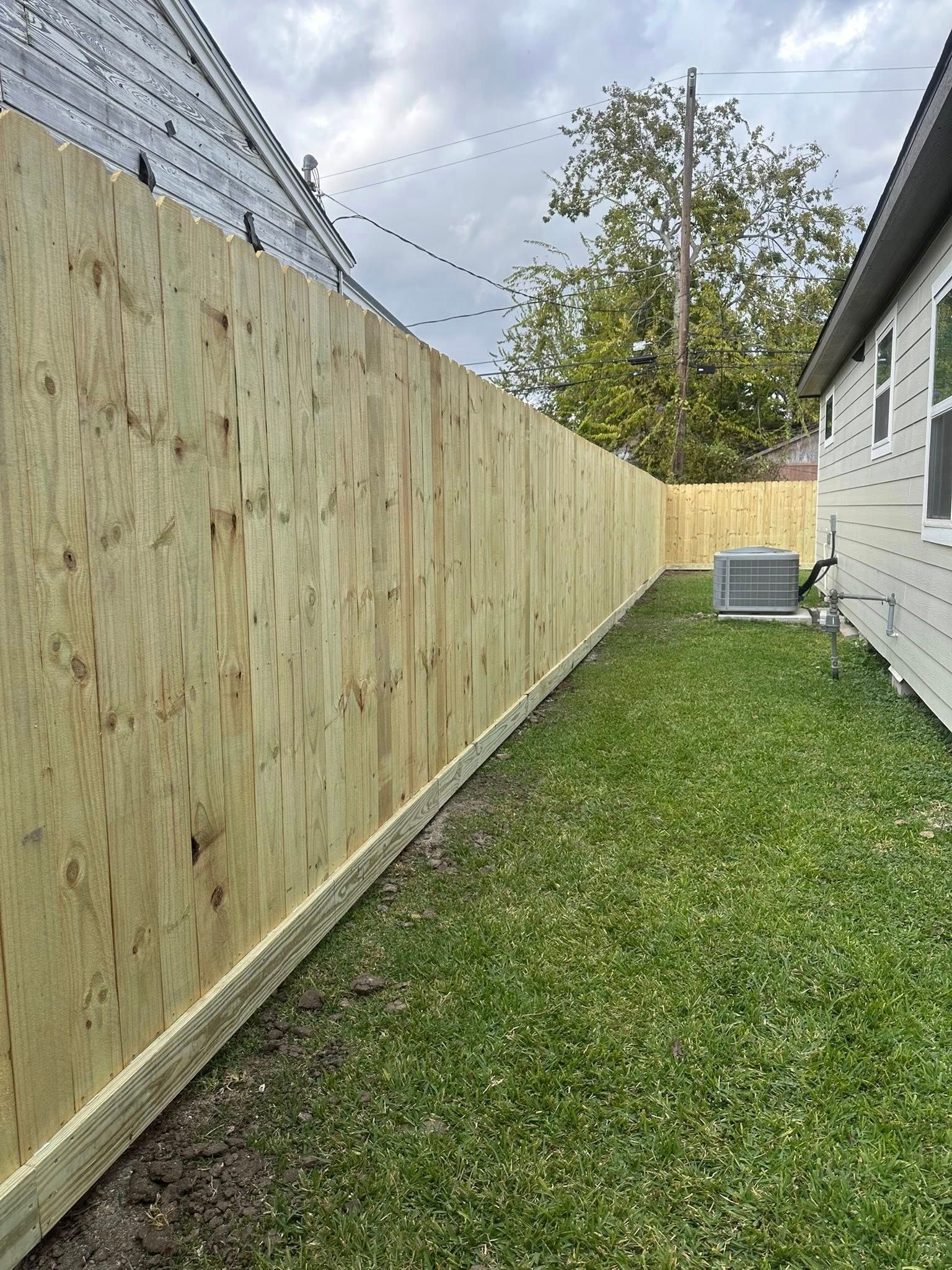
- Pressure-Treated Pine: A more budget-friendly option that is chemically treated to resist decay. It is highly durable but requires regular staining to prevent warping in the sun.
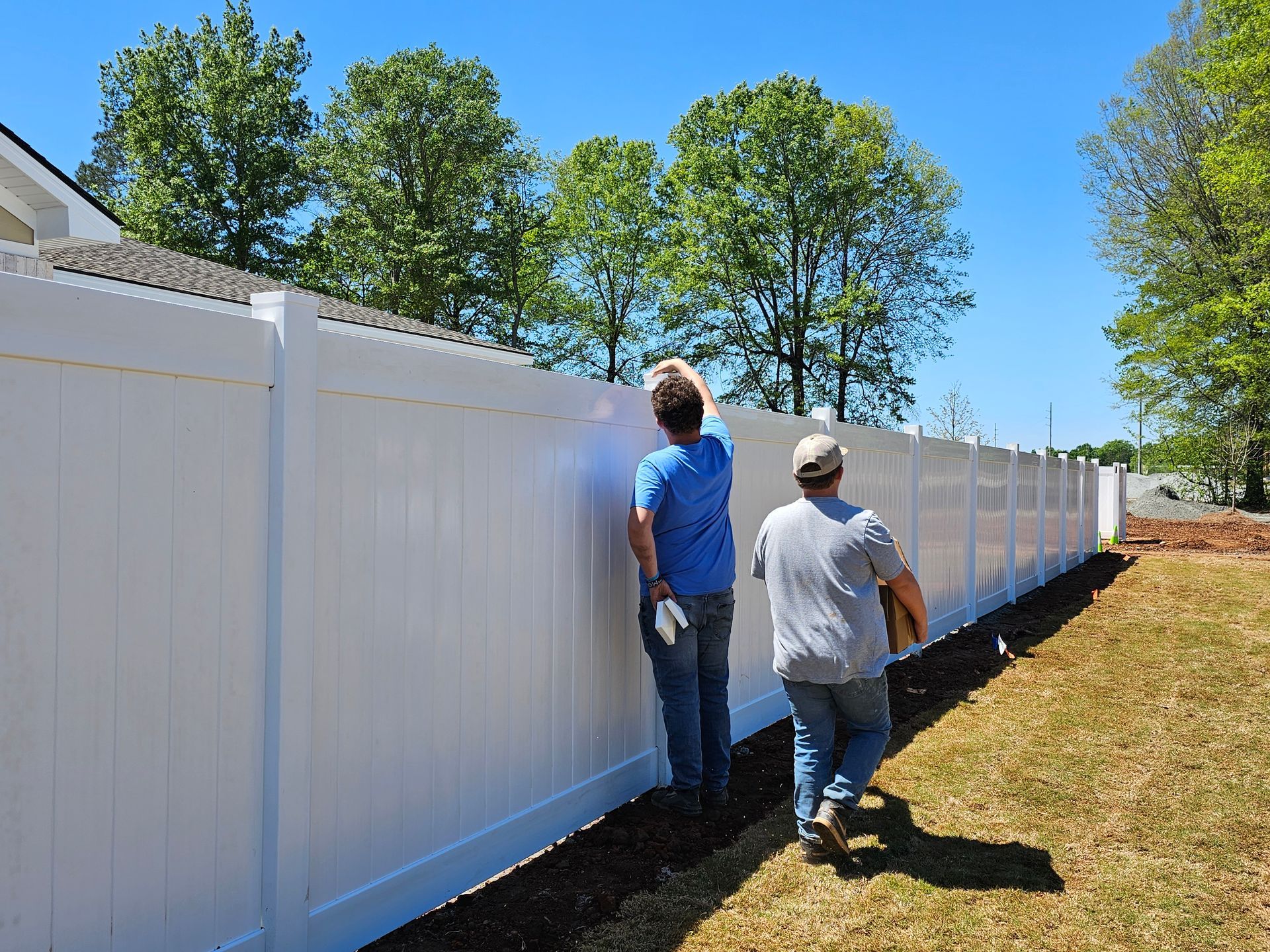
- Vinyl Fencing: An excellent low-maintenance choice that never needs staining or painting. It is impervious to the moisture and termites that plague our wooded lots.
- Ornamental Iron or Aluminum: Ideal for homeowners who want to maintain their views of the lakes or forest while providing a high level of security.
Cost Considerations for Large Lot Fencing
The cost of fencing in Stagecoach can vary significantly because of the size of the properties. While a standard suburban lot might only require 150 to 200 linear feet of fencing, a Stagecoach acreage lot can easily require 500 feet or more. This makes material choice and installation efficiency critical for staying within budget.
Several factors will influence your total investment:
- Site Preparation: Wooded lots often require clearing of brush or low-hanging limbs before the crew can begin.
- Post Depth: Because of our shifting soil, we recommend deeper post settings, which may increase labor and concrete costs.
- Custom Features: Adding automated gates for long driveways or specialized "no-climb" wire for livestock areas will add to the project total.
- Debris Removal: Most professional quotes will include the tear-down and disposal of your old, rotted fencing.
When to Call a Professional
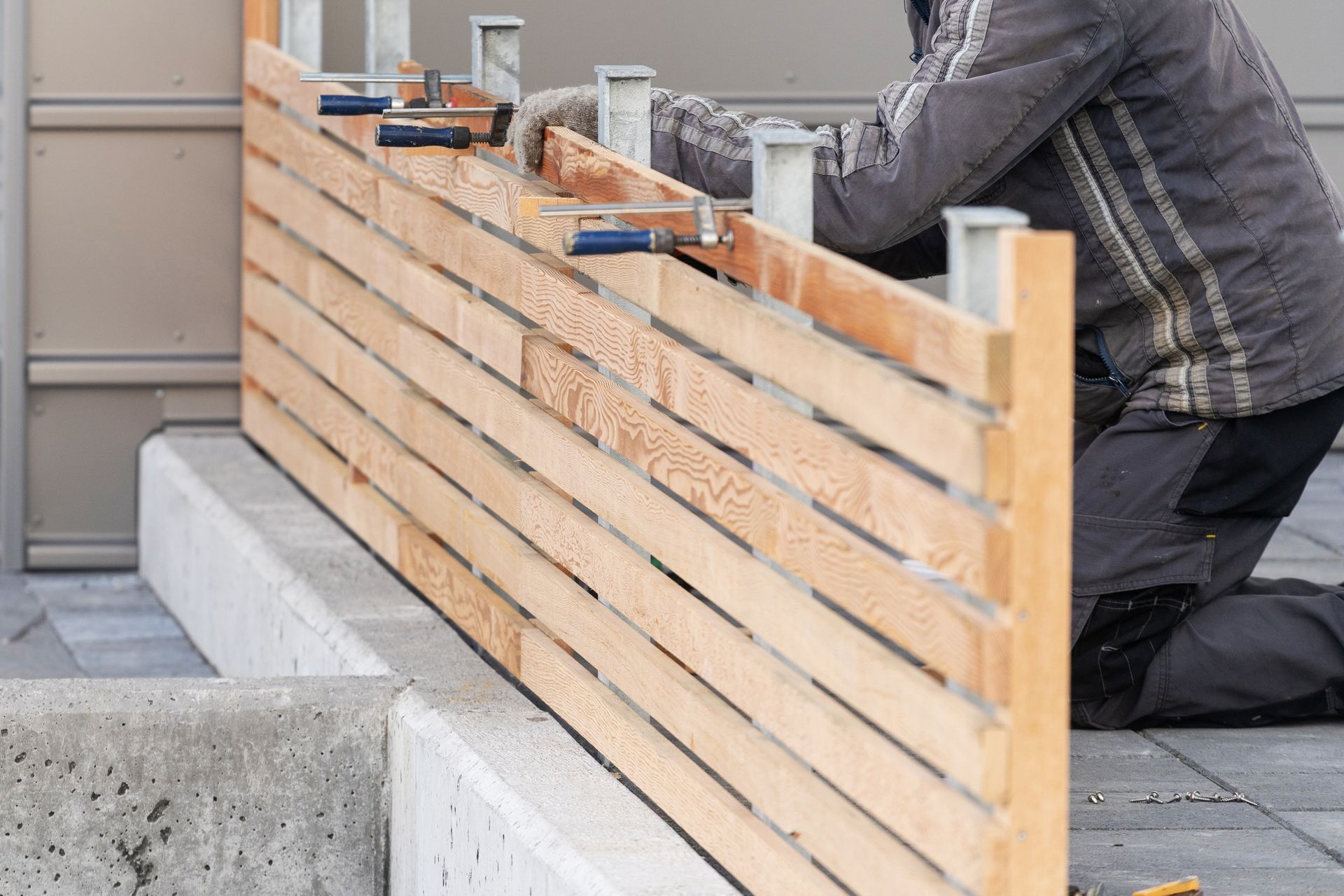
For properties in Stagecoach, a DIY fence project is a massive undertaking that often leads to structural issues down the road. Professional installers have the heavy-duty power augers required to dig deep through tough clay and tree roots. They also understand the nuances of property surveys and can ensure that your new fence is perfectly aligned with your legal property lines.
How deep should fence posts be in Stagecoach TX? In the Stagecoach and Montgomery County area, fence posts should be set at a minimum depth of 24 inches for standard panels. For gate posts, corner posts, or properties with significant slopes, a depth of 36 inches is highly recommended. Setting posts at this depth ensures they are anchored in more stable soil layers, helping the fence withstand high wind loads and soil expansion.
A professional team will also handle the logistics of locating underground utility lines, which is vital in a city where many homes rely on private wells and septic systems. Ensuring that your fence does not interfere with these critical systems is a top priority during the planning phase.
Local Context: Fencing for the Stagecoach Landscape
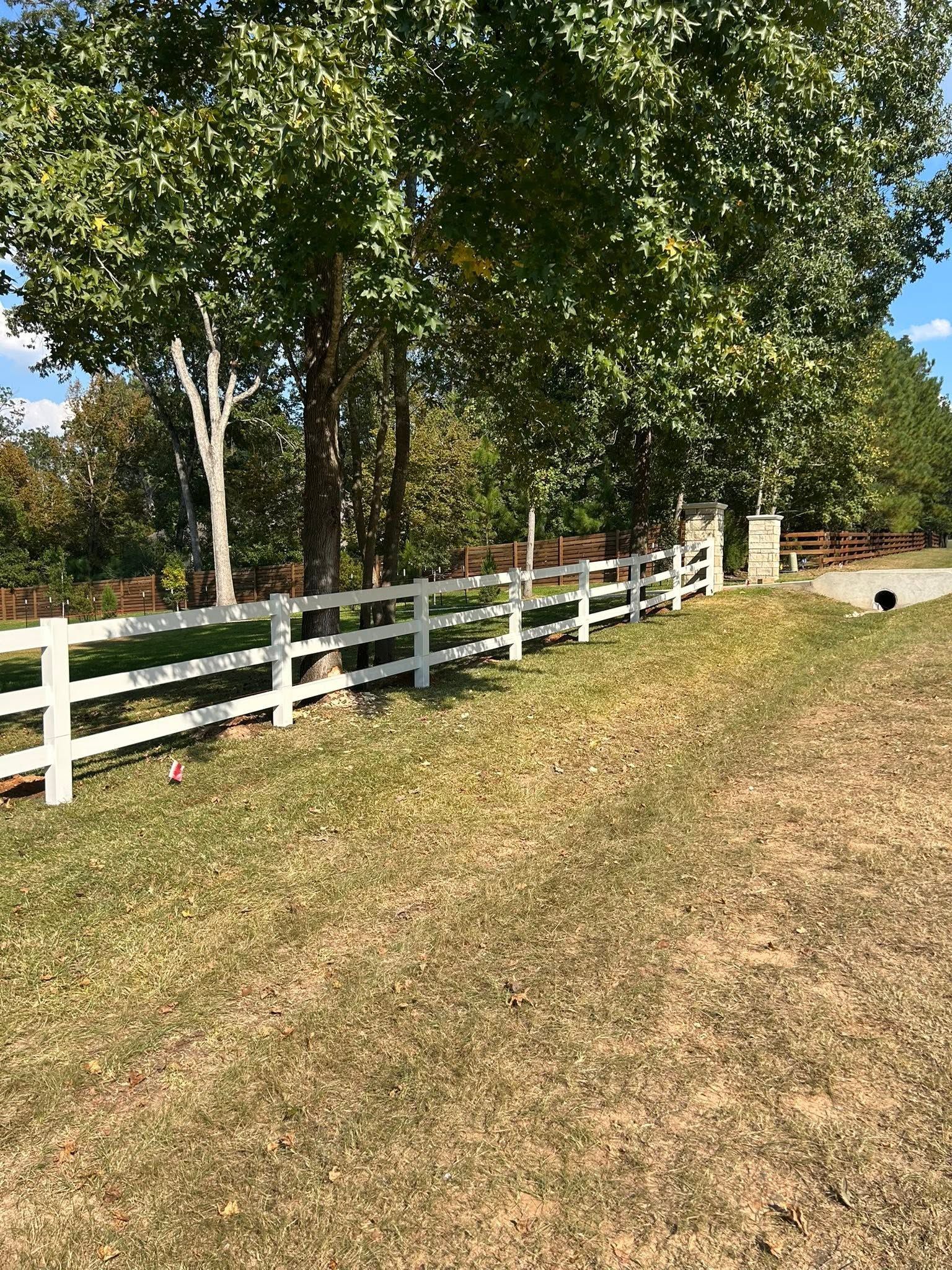
The rural-suburban mix of Stagecoach means that your fence needs to be both functional and beautiful. Many homeowners choose a "ranch-style" or "cross-buck" fence for the front of their property to maintain an open, welcoming feel, while using a six-foot privacy fence for the backyard living areas. This combination allows you to secure your home without making it feel closed off from the natural beauty of the surrounding forest.
Climate-wise, we always recommend the use of stainless steel or galvanized fasteners. The high humidity in our region can cause standard nails to rust and "bleed" down the wood, creating unsightly black streaks. Furthermore, ensuring your fence has proper drainage at the base is essential. If your property has significant slopes, we use a "racking" technique that allows the fence to follow the natural contour of the land, preventing large gaps at the bottom where pets could escape.
Establishing Authority with Fence it
At Fence it, we have years of experience serving the unique needs of Montgomery County homeowners. We are not just installers: we are craftsmen who understand the specific challenges of building on larger, wooded lots. We are a fully licensed and insured company, and we take pride in our transparent pricing and high standards of quality. Our team uses only premium materials, from sustainably sourced cedar to professional-grade vinyl and iron. We understand the local building codes and the expectations of our neighbors in Stagecoach, and we work tirelessly to ensure that every project we complete adds lasting value and security to your property.
Start Your Stagecoach Fence Project Today
If you are ready to upgrade your property with a beautiful, durable new perimeter, our team is standing by to help. We provide comprehensive on-site consultations to help you determine the best layout and material for your specific goals. From initial clearing to the final gate adjustment, we handle every detail with professionalism and care. Don't settle for a leaning, rotted fence that leaves your home exposed. Contact us today to schedule your professional fence installation in Stagecoach TX and discover how easy it can be to secure your piece of the Texas countryside.
FAQ Section
How do I prevent my fence from leaning in the sandy Stagecoach soil?
The key to a straight fence in our soil is the depth and diameter of the concrete footings. We set our posts at least 24 to 36 inches deep and use a high-strength concrete mix. This anchors the post below the loose topsoil and provides a heavy base that resists the lateral pressure of wind and expanding clay.
Can you install a fence through a wooded area?
Yes, we frequently install fences on wooded properties. This often requires some minor clearing of underbrush to create a "path" for the fence line. We are careful to work around mature trees and can adjust the design of the fence to accommodate the natural landscape of your Stagecoach lot.
How often should I maintain my new wood fence?
To get the most out of your investment, you should plan to clean and restain your wood fence every two to three years. This protects the wood from UV damage and moisture. On wooded lots, it is also important to regularly clear away pine needles and leaves that accumulate at the base of the pickets.
What is a "rot board" and do I need one?
A rot board is a horizontal, pressure-treated board installed at the very bottom of the fence panels. It is designed to be in contact with the ground so that your main pickets are not. This is highly recommended in Stagecoach because it protects your fence from moisture and simplifies lawn maintenance near the fence line.
What happens if my property is on a slope?
We use two main techniques for sloped yards: stepping and racking. Stepping creates a stair-step look, while racking allows the fence to follow the ground's natural grade. For the large, rolling lots in Stagecoach, racking is often preferred as it eliminates large gaps at the bottom of the fence.
Will a new fence help with noise reduction?
Yes, a solid wood privacy fence can act as a significant sound barrier. If your property is near a busier road like FM 149, a well-constructed fence can help dampen the sound of passing traffic, making your backyard a more peaceful and private retreat.