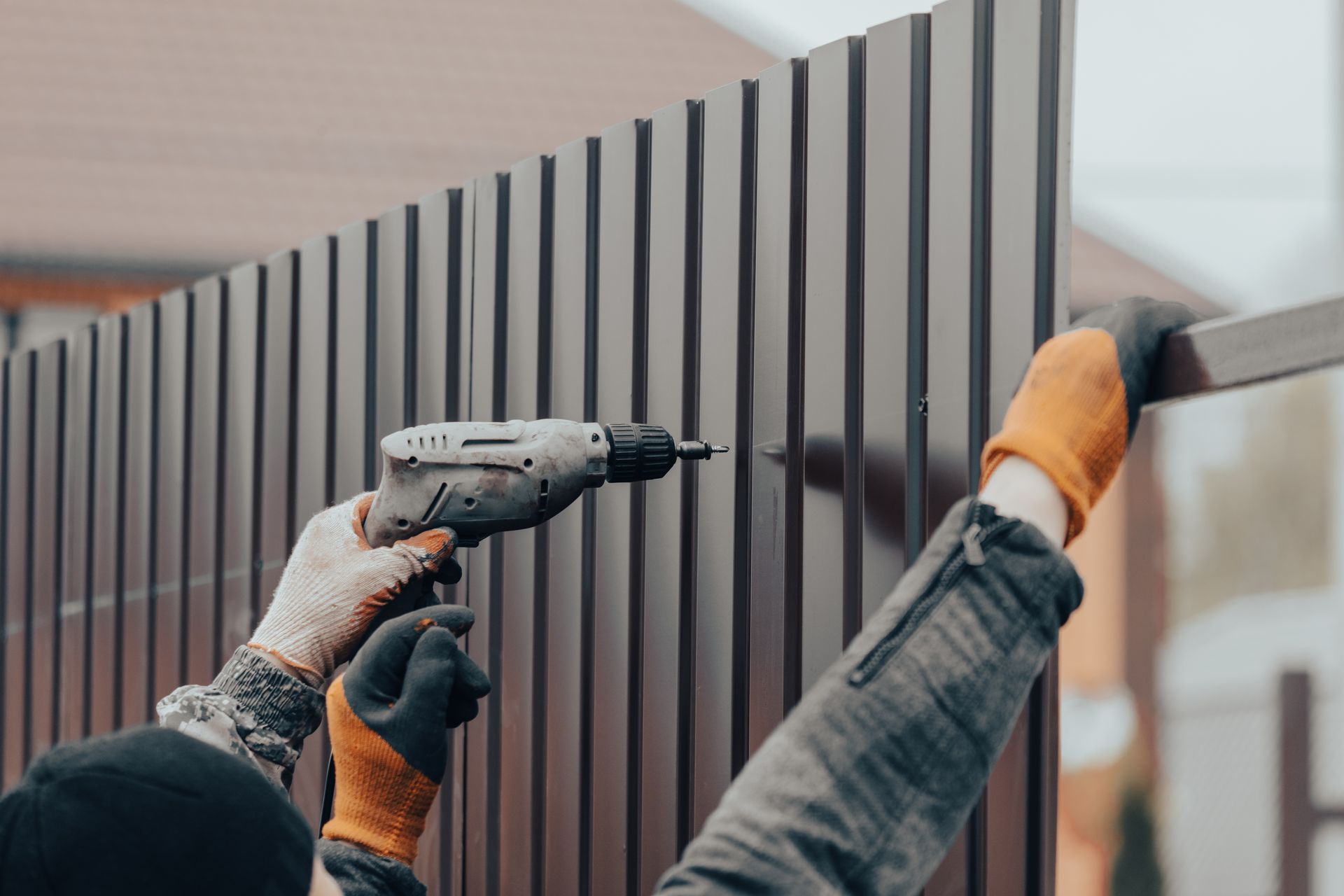
How to Identify and Fix Common Fence Issues for Your Tomball Property
How to Identify and Fix Common Fence Issues for Your Tomball Property
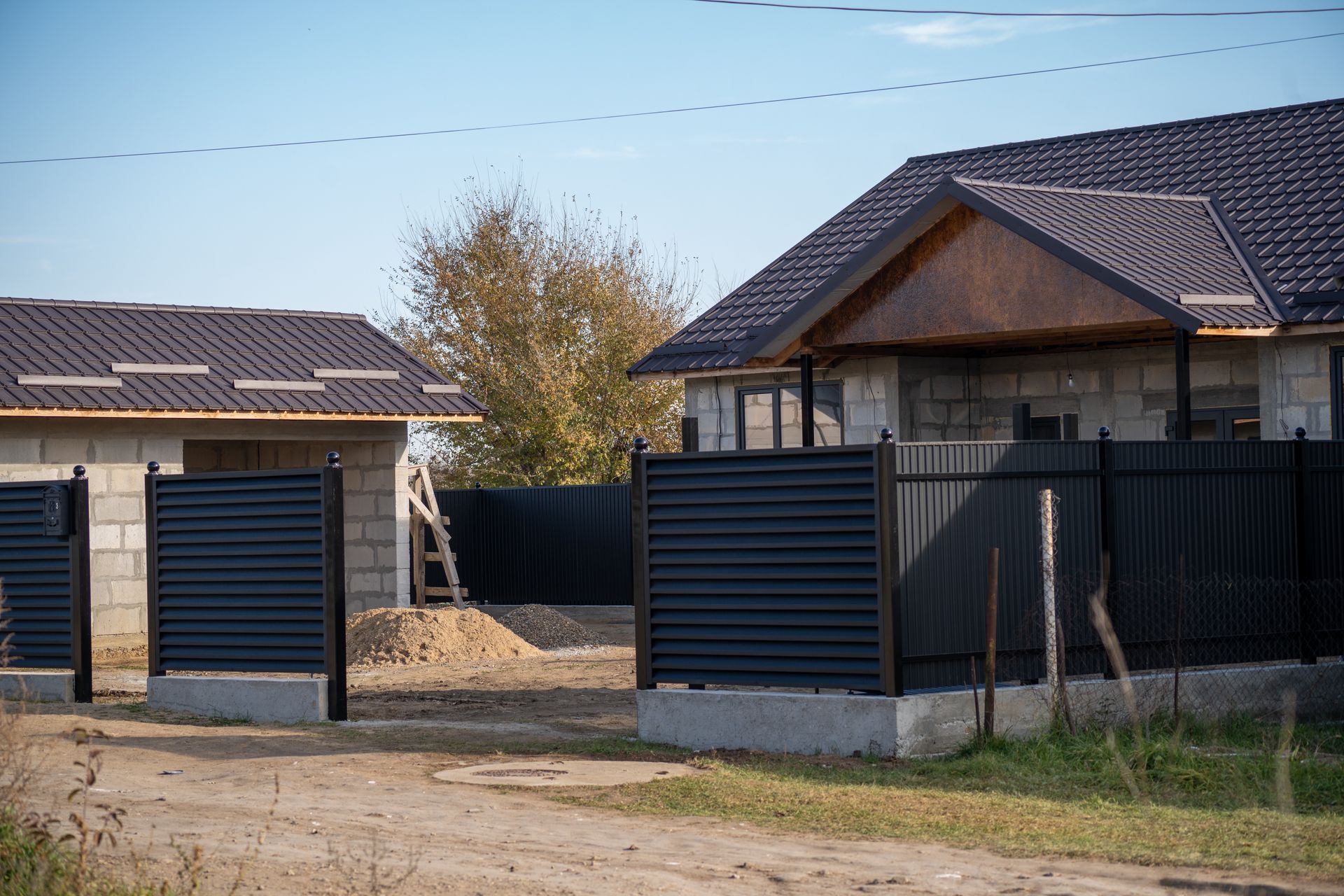
Homeowners in Tomball often take their perimeter for granted until a sudden Texas thunderstorm or a sagging gate forces them to take notice. Whether you are dealing with leaning posts after a heavy rain or mysterious discoloration at the base of your pickets, identifying the root cause of the problem is the first step toward a solution. In this guide, we will walk you through how to diagnose common residential fencing failures specific to the local climate, what these symptoms mean for the longevity of your investment, and how to determine if a simple repair or a full replacement is your best path forward.
Understanding the Life Cycle of Your Perimeter
Every residential fence eventually shows signs of age, but the environmental factors in Southeast Texas accelerate certain types of wear. Soil composition in the area often fluctuates between extreme moisture and dry spells, which puts significant pressure on the structural integrity of your posts. When you begin a diagnostic check, you must look beyond the surface level aesthetics. A fence might look sturdy from a distance, but a closer inspection of the structural components often reveals the early stages of failure. Understanding the baseline health of your materials helps you prioritize maintenance before a minor lean becomes a total collapse.
Common Signs and Symptoms of Fence Failure
The most obvious sign of trouble is a noticeable lean. If your fence line looks like a wave rather than a straight path, the issue usually lies beneath the surface. For wood fences, you might notice "wicking," where the bottom of the pickets remains dark and damp long after the rain stops. This indicates that the wood is absorbing groundwater, leading to rot.
Another symptom to watch for is hardware failure. If your gates are dragging or the latches no longer line up, the posts supporting those gates have likely shifted. In metal or ornamental fencing, look for bubbling paint or orange streaks. These are early warning signs of oxidation that can compromise the metal if left untreated. If you notice these symptoms, you may want to explore professional residential fencing services to evaluate the stability of your current layout.
Root Causes of Fencing Issues in Tomball
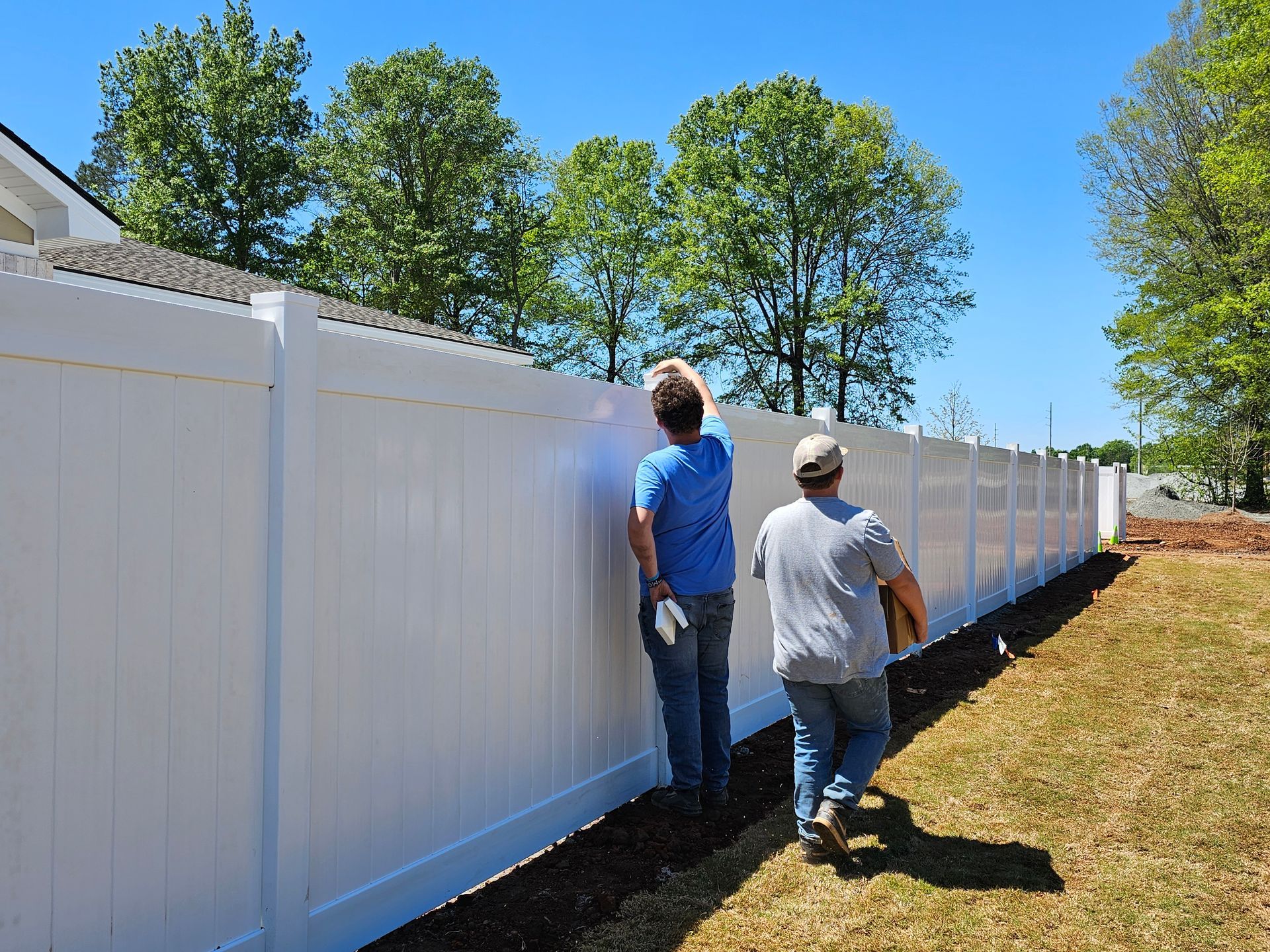
The primary culprit for most fencing issues in our region is the combination of high humidity and shifting clay soils. When the ground becomes saturated during the spring, the soil expands and can push fence posts out of alignment. Conversely, during the intense heat of a Texas summer, the soil shrinks, creating gaps around the concrete footings that allow the posts to wobble.
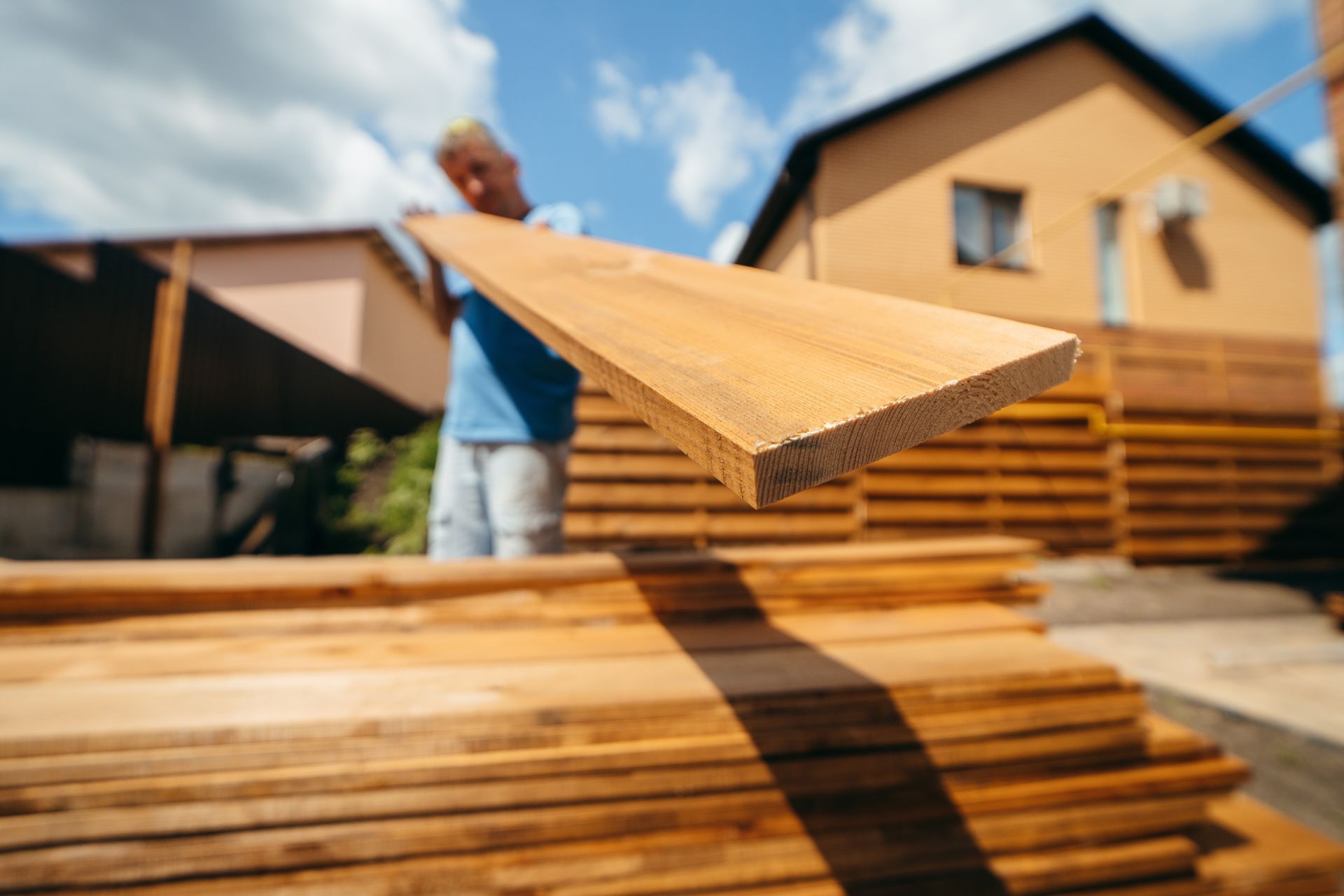
Pests also play a significant role in the degradation of wood structures. Termites and carpenter ants thrive in the humid Tomball climate and can hollow out a 4x4 post from the inside out without showing much exterior damage. Furthermore, the intense UV exposure we experience can break down the protective fibers in wood and the chemical bonds in lower quality vinyl, leading to brittleness and cracking. Proper fence installation techniques, such as using deep footings and high quality treated materials, are designed to mitigate these exact local environmental stressors.
Diagnostic Solutions and Maintenance Steps
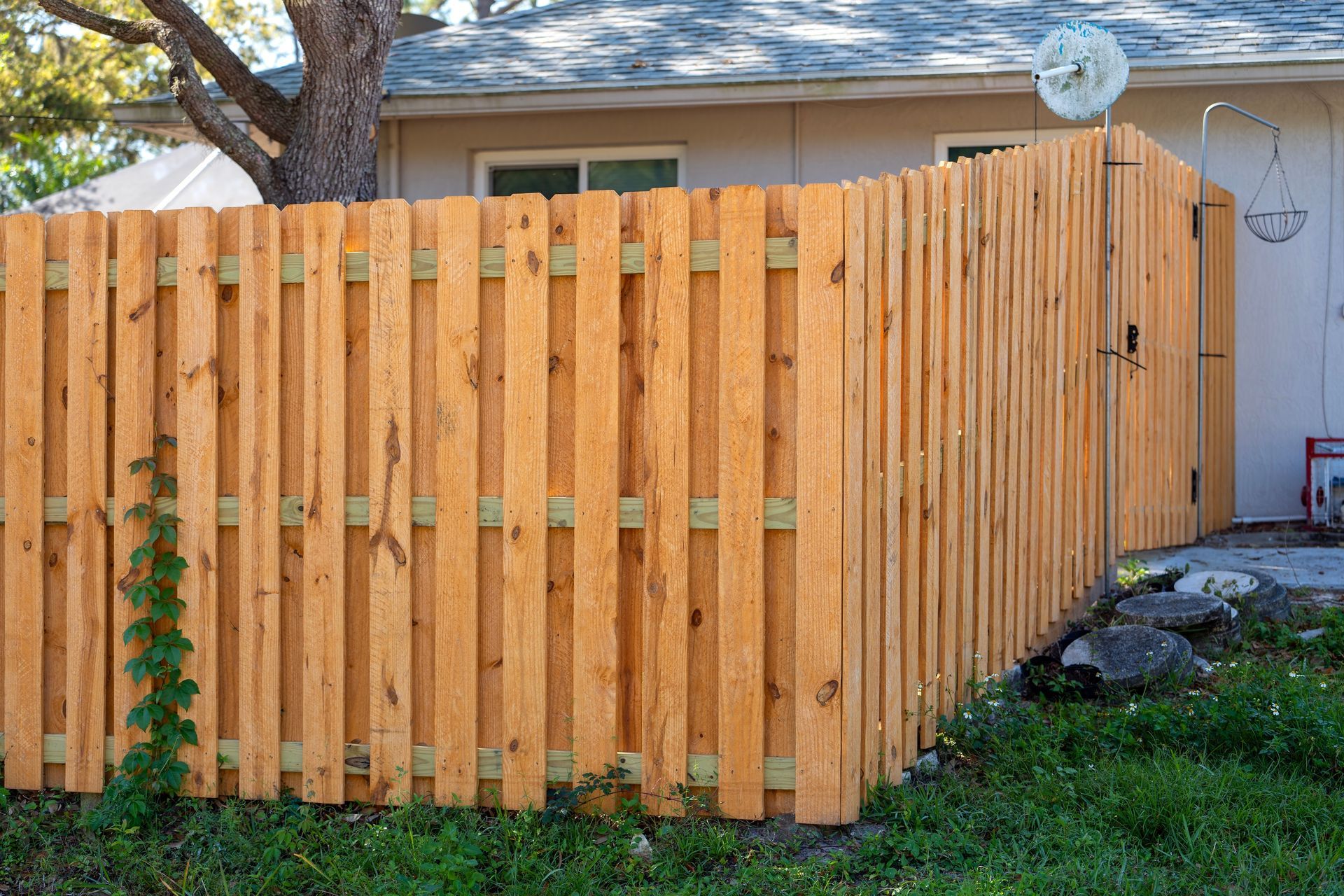
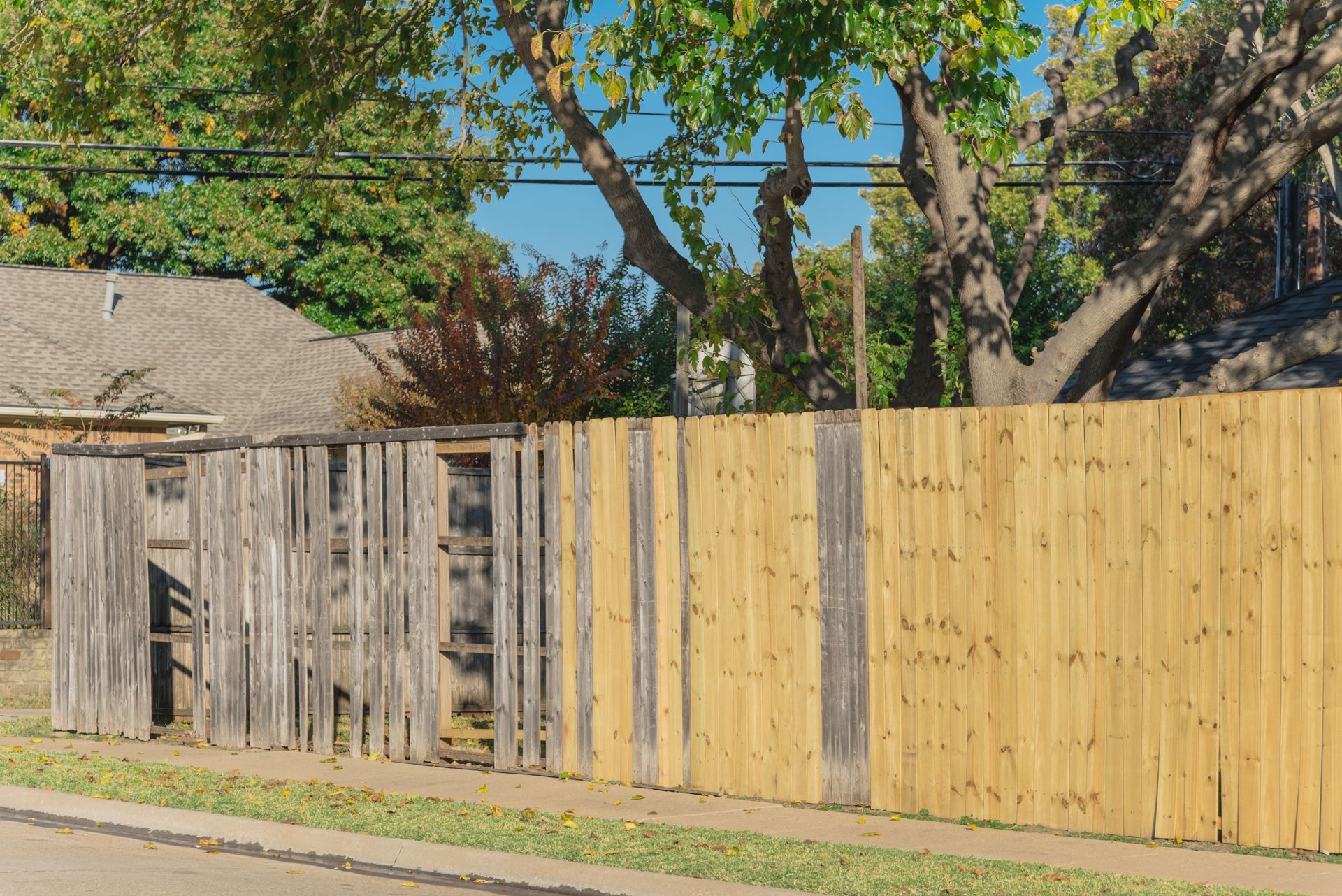
Once you have identified the symptoms, you can begin applying solutions. For leaning sections, the solution may involve reinforcing the existing posts with steel "sister" stakes or excavating the old concrete and resetting the post at a greater depth. If the issue is localized rot on a few pickets, replacing those individual boards can extend the life of the entire run without the cost of a full replacement.
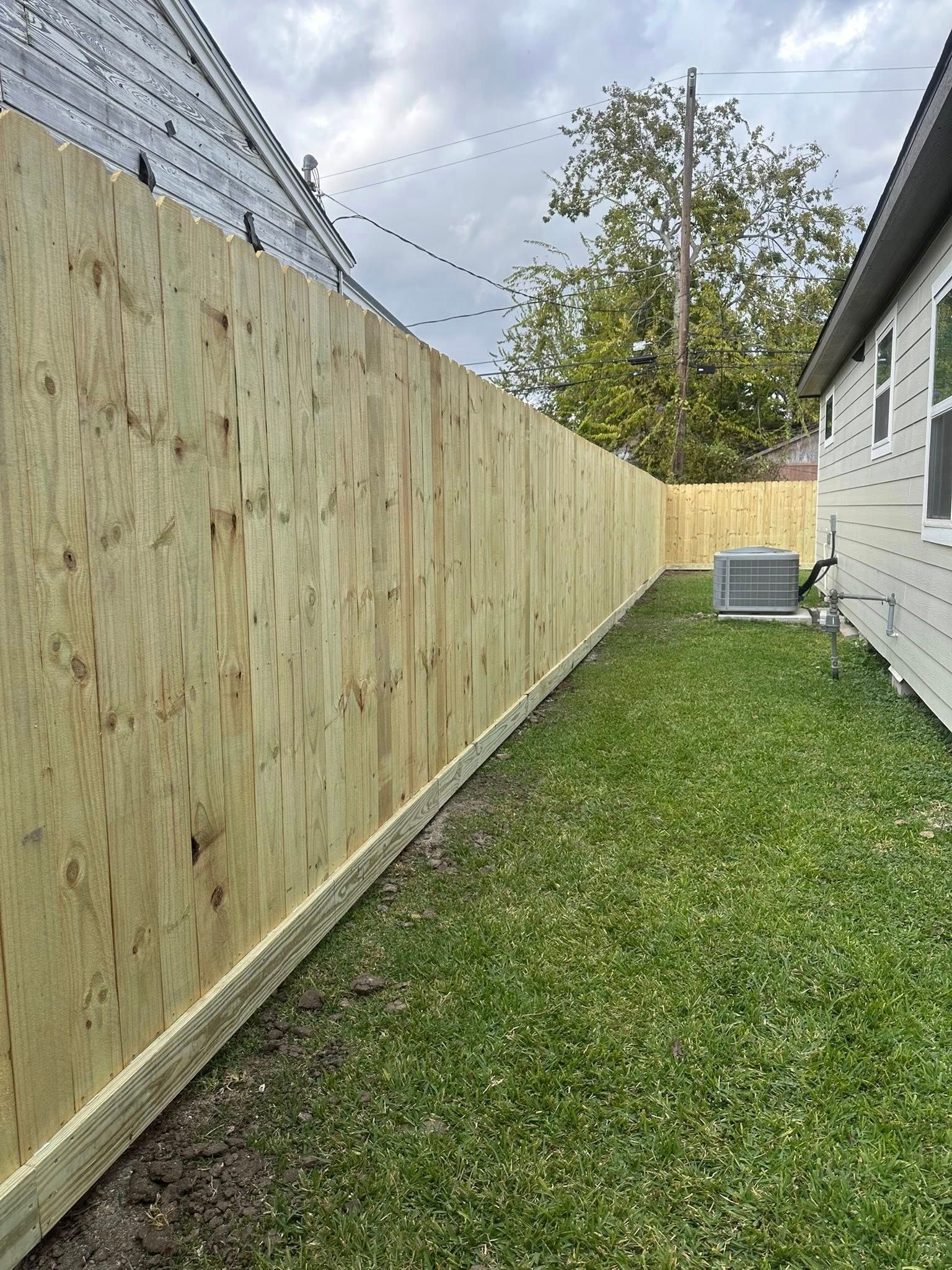
For homeowners dealing with graying wood, a professional cleaning and staining can restore the natural oils to the timber, providing a barrier against both moisture and UV rays. If you find that the structural damage is widespread, it is often more cost effective to look into wood fencing replacement options rather than pouring money into constant repairs for a failing system.
Estimating the Costs of Fence Restoration
The cost of addressing these issues varies widely based on the scale of the damage. A simple gate adjustment or hardware replacement might only cost a few hundred dollars. However, if multiple posts need to be reset in concrete, costs can rise significantly. Typically, a professional repair for a standard residential section can range from $15 to $30 per linear foot depending on the materials and labor required.
Factors that influence the price include the type of material, the height of the fence, and the ease of access to the property line. For example, repairing a wrought iron fence generally requires specialized welding skills, which commands a higher price point than basic wood carpentry. It is always wise to consult a fence company for an accurate quote before starting a major restoration project to ensure there are no hidden structural surprises.
When to Call a Professional
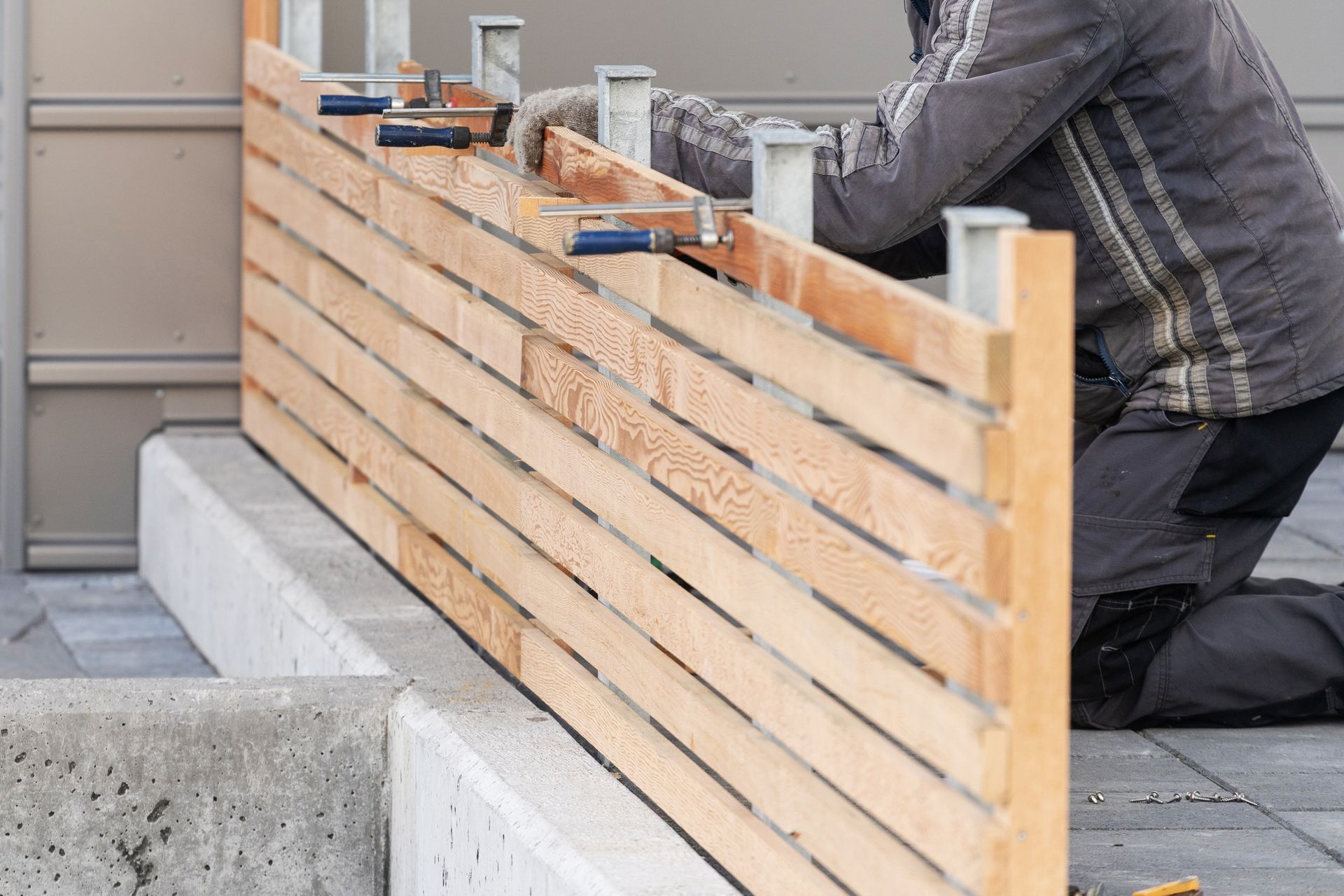
While many homeowners enjoy a weekend DIY project, certain fencing issues require professional intervention. If your fence is part of a pool enclosure, it must meet specific safety codes that are non negotiable. A professional should also be called if you suspect underground utilities are near your post footings or if the fence is under a significant amount of tension, such as a chain link system. If more than 30 percent of your fence line is showing signs of structural failure, it is time to have an expert provide a comprehensive assessment to ensure the safety and security of your property.
Localized Fencing Insights for Tomball Homeowners
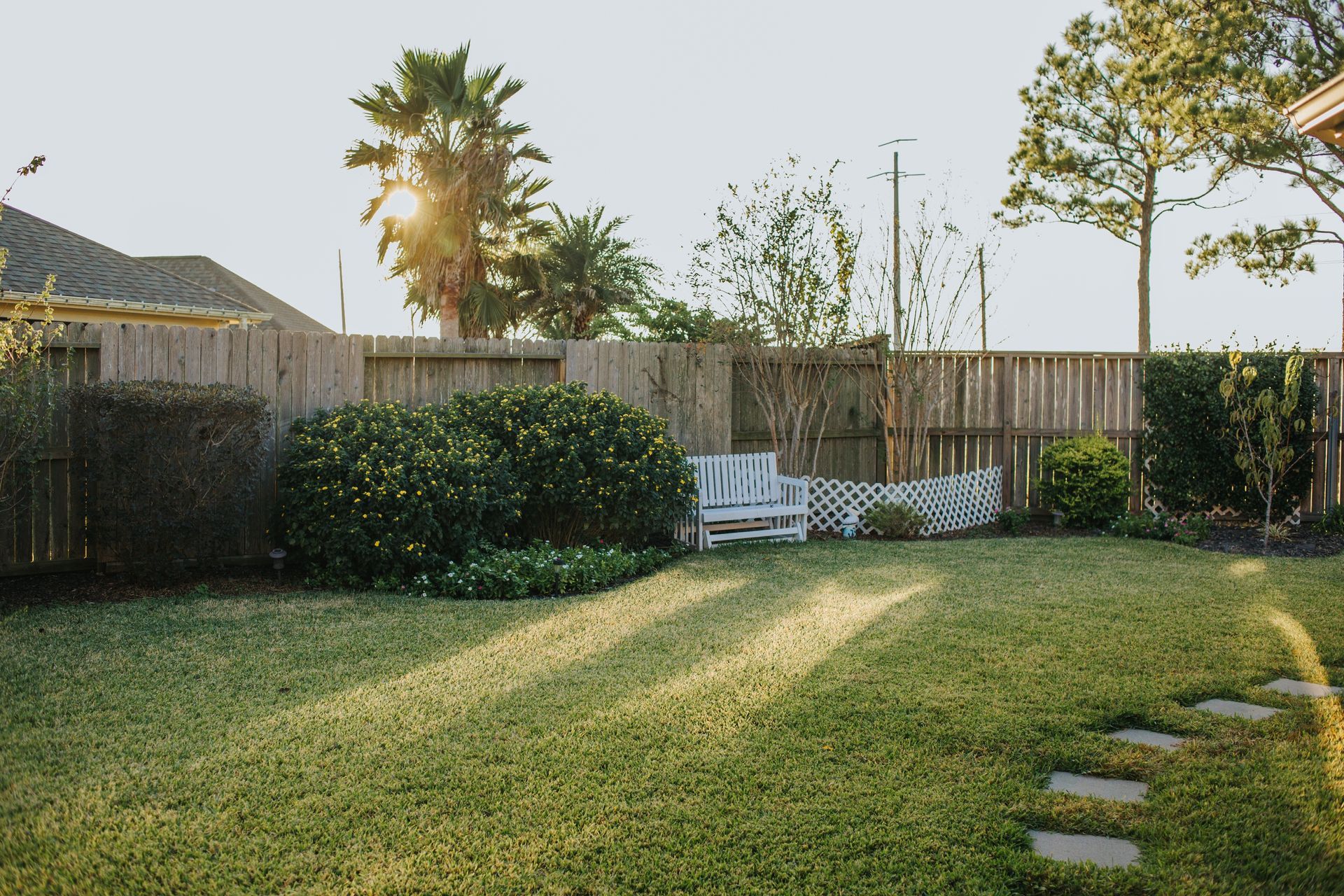
In Tomball neighborhoods like Spring Creek Court or Lakewood Forest, the mature trees that provide beautiful shade also pose a risk to residential fencing. Falling limbs can cause sudden impact damage, while large root systems can physically lift fence footings out of the ground. When diagnosing your fence, always check the perimeter for encroaching roots or heavy branches hanging over the fence line. The high clay content in our local soil means that drainage is often poor, so ensuring that your fence line is not sitting in standing water after a storm is crucial for preventing long term rot and instability.
Why Choose FenceIt for Your Property
FenceIt has built a reputation for excellence by understanding the specific needs of Southeast Texas properties. We prioritize durable materials and precise installation methods that stand up to the local climate. Our team is licensed and insured, bringing years of local experience to every project. We understand that a fence is a significant investment, which is why we offer comprehensive warranties and a commitment to quality that ensures your home remains secure and your curb appeal remains high for years to come.
Schedule Your Residential Fencing Assessment in Tomball
If your perimeter is showing signs of wear or you are concerned about its structural integrity after a storm, our experienced team is ready to help. We provide expert diagnostic reviews and high quality installation services throughout the Tomball area. Contact us today to discuss your project and ensure your home stays protected with a sturdy, beautiful fence.
Quick Answers for Tomball Homeowners
How can I tell if my fence post is rotted below the ground?
If the post moves easily when pushed but the wood above the ground looks healthy, the rot is likely occurring at the soil line or near the concrete footing. You can also use a screwdriver to poke the wood near the base; if it sinks in easily, the wood is compromised.
Is it better to repair or replace a leaning fence?
If only one or two posts are leaning, a repair is usually sufficient. However, if the leaning is caused by widespread rot or if the majority of the posts are failing, a full replacement is often a better long term investment for your Tomball home.
Why does my vinyl fence have cracks in the corners?
This is often caused by the expansion and contraction of the material during Tomball's temperature swings. Low quality vinyl becomes brittle over time due to UV exposure, making it more susceptible to cracking when the ground shifts or if it is hit by debris.
Can I fix a sagging gate myself?
Many gate issues are caused by loose hinges or a lack of diagonal bracing. You can often fix these by tightening hardware or adding a gate tension kit. However, if the sagging is due to a leaning gate post, professional resetting will be required.
How often should I stain my wood fence in Tomball?
Given the high humidity and sun exposure in our region, we recommend restaining your wood fence every two to three years. This maintains the moisture barrier and prevents the wood from becoming gray and brittle.