
Fence Replacement in Bridgeland, TX
A fence that leans in several places, needs constant board repairs or no longer holds a gate square can become a recurring project instead of a dependable boundary. FenceIt helps Bridgeland homeowners plan residential fence replacement around the actual condition of the run, the way the yard is used and the sections that must come out before new work begins. Measurements and same-day on-site pricing make the scope clear before scheduling.
Replacement is also a chance to correct problems that built up over time. We review old footings, transitions, gate locations, drainage areas and access for removal so the new fence is not forced to follow every weakness of the one being removed.
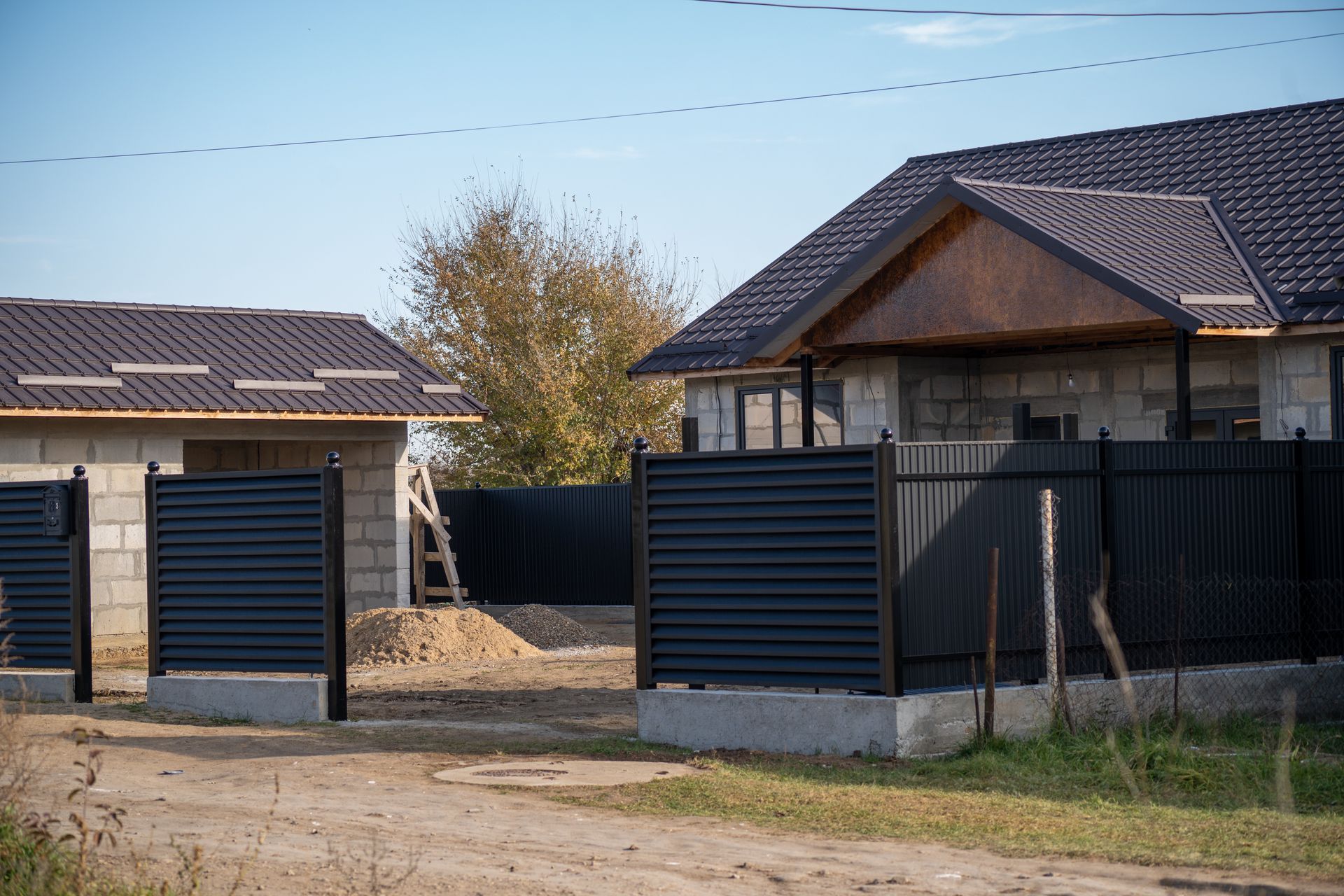
Replacement Makes More Sense When Problems Spread Across the Run
One damaged board is a repair. A series of leaning sections, deteriorated supports or mismatched patches can point to a fence that is no longer worth rebuilding piece by piece. We look at how the problems connect before recommending the replacement scope.
Look for Repeated Structural Movement
When several posts or panels move together, replacing only the worst-looking spot can leave the new work attached to the same unstable structure.
Separate One Bad Section From a Failing Run
A short damaged area may still be repairable if the surrounding fence is sound. Replacement becomes more practical when deterioration continues beyond a clear boundary.
Check Gates Before Reusing Their Location
An old gate opening may be too narrow, poorly supported or awkward for the current yard layout. Replacement gives you a chance to review the access point before rebuilding it.
What Is Your Existing Fence Telling You?
The reason for replacement helps define what needs closer attention during the site visit. Choose the issue that best matches the current fence, then confirm whether the problem is isolated or present across the boundary.
Why are you considering replacement now?
Choose the closest condition.
Who Replaces Residential Fences in Bridgeland, TX?
FenceIt provides residential fence replacement for homeowners dealing with worn, unstable or repeatedly repaired boundaries. The process starts by walking the existing fence, identifying what will be removed and measuring the new run, gates and connection points.
Bridgeland is within FenceIt’s Northwest Houston market. Homeowners can use the on-site visit to compare partial and full replacement options, review access concerns and receive same-day pricing tied to the measured project.
Sun, Rain and Saturated Ground Can Accelerate Existing Weaknesses
Northwest Houston fences spend long stretches in heat and sun, then deal with rain, irrigation and periods of wet soil. An older fence may show the result as movement near posts, lower-edge deterioration, warped components or gates that stop staying square.
A replacement plan should account for the places where the old fence struggled. Low areas, concentrated runoff and high-use openings deserve attention before the new line is set, especially when the existing route has been repaired around the same problem more than once.
Wet Ground Near Supports
Where water lingers or soil stays soft, the condition around existing footings helps explain why a section may be leaning or moving.
Exposure Along Open Yard Edges
Long exposed runs can show unevenness clearly. Replacement is the opportunity to reset the line instead of matching every shift in the old fence.
Gate Areas With Repeated Movement
A gate that repeatedly sags may be telling you more about support and framing than about the gate hardware itself. The opening should be reviewed as part of the replacement.
Removal, Support, Gates and Connections All Belong in the Scope
Taking down the old fence is only the first stage. A complete replacement plan also defines the new route, support locations, gate openings, transitions and how the work area will be managed while the boundary is open. FenceIt prices the agreed work after measuring the property.
Existing Fence Removal
The scope should state which existing sections are coming out and how old components or footings affect the new installation area.
New Post and Support Layout
Support placement is planned around the measured run, corners, grade and gate loads rather than copied automatically from old post locations.
Fence Sections and Rails
New sections are installed to the approved layout with attention to a consistent line and the privacy or boundary function the homeowner selected.
Gate Openings
Gate width, swing direction and daily use are reviewed before the opening becomes fixed in the new fence.
Connections at Corners and Ends
Ends, corners and adjoining fence sections need dependable transitions so the replacement is not left relying on a weak connection.
Final Walkthrough and Cleanup
The completed fence is checked for visible alignment, useful gate operation and the agreed scope, then construction debris is cleared from the work area.
Do Not Recreate the Old Fence Problems With New Materials
If the old fence leaned because of weak supports, poor drainage or an awkward gate layout, placing the new line exactly the same way can carry the issue forward. These conditions deserve a closer look before installation starts.
Conditions That Need Extra Replacement Planning
- Old posts or footings are out of line across several sections
- Water repeatedly collects where the new support line would sit
- Tree roots, beds or hardscape limit normal access for removal and digging
- The existing gate location conflicts with a narrow path or equipment route
Conditions That Make the Rebuild More Straightforward
- The intended boundary and replacement route are clearly identified
- Material can reach the work area without crossing major obstacles
- Gate openings have practical swing and approach space
- The grade changes gradually without sharp low spots at the fence line
Replace Enough Fence to End the Repair Cycle
A full perimeter is not always necessary. Some properties have one failed side while the other sections remain sound. The important question is whether the retained fence can support clean connections and remain dependable after the new work is complete.
Partial Replacement Can Work When
- Deterioration is contained within a clearly defined section
- Adjacent supports are stable enough for a dependable transition
- The new height and layout can meet the retained fence cleanly
- Gate access will still work after only part of the boundary changes
- The remaining fence does not show the same recurring failure pattern
Full Replacement May Be More Practical When
- Weakness appears on several connected sides of the yard
- Old posts, rails or panels have been repaired repeatedly
- Different ages and patchwork sections make future repairs harder to manage
- You want to reset gate locations or change the route substantially
- New work would otherwise depend on multiple questionable connections
Plan the New Boundary Around The Property You Use Today
The yard may have changed since the existing fence was installed. Patios, planting areas, irrigation, pets and daily walking routes can all affect what makes sense now. We review those details before the replacement line becomes fixed.
Property Line Confirmation
Confirm the intended boundary before moving or rebuilding the line. The location of an old fence is not always enough information for a new installation decision.
Patios, Pools and Seating Areas
Replacement can change views and access near outdoor living areas. The new line should improve the boundary without blocking equipment or useful circulation.
Sprinklers and Planting Beds
Existing irrigation and plantings should be identified where removal, excavation or material handling could affect them.
Side-Yard Access
Trash bins, lawn equipment and service access may need a wider or better-positioned gate than the old fence provided.
Shared or Adjoining Fence Sections
If only part of a shared boundary is being replaced, the condition of the connecting support matters. New work should not be forced onto unstable structure.
Pets and Temporary Openings
A fence used to contain pets or define a play area may be open during removal. The installation sequence should be discussed before work begins.
Low Spots and Runoff
Ground clearance and water movement deserve attention where soil, mulch or runoff has collected against the existing fence.
Design or Approval Requirements
Homeowners should confirm any applicable neighborhood or property-specific design requirements before the replacement is scheduled.
What to Expect During Residential Fence Replacement
FenceIt uses the site visit to understand why the current fence is being replaced and how the yard needs to function during the project. Measurements, removal, access and gate decisions are settled before the approved rebuild begins.
Inspect and Measure
Walk the existing line and point out recurring repairs, movement, access problems and any sections you hope to keep.
Set the Replacement Scope
The replacement area, gate openings, removal needs and connection points are defined so the work has a clear beginning and end.
Review the Quote
Same-day on-site pricing is provided for the measured scope. Warranty information and available financing can be reviewed before scheduling.
Remove, Rebuild and Check
The approved fence is removed and replaced according to the plan, followed by a check of gate movement, visible alignment and cleanup.
Use the Rebuild to Fix Function, Not Just Age
Replacement is the best time to reconsider decisions that were locked into the old fence. Gate location, the amount of privacy and the relationship to grade can all be reviewed before posts are set.
Keep the Same Fence Route?
The old route may still work, but planting areas, drainage or yard use may have changed. Confirm the line before assuming it should be copied exactly.
Reuse the Same Gate Location?
If the current gate is awkward for bins, a mower or side-yard traffic, replacement gives you a chance to discuss a better opening before rebuilding.
How Much of the Existing Fence Should Stay?
Retaining sound sections can reduce the replacement area, but every transition depends on the condition and alignment of what remains.
Measured Replacement Planning With Clear On-Site Pricing
FenceIt serves homeowners with 10 years of construction experience and provides same-day on-site quotes for measured fence work. Full installations include a 3-Year Workmanship Warranty under the applicable written terms, and traditional financing options are available.
What We Define Before Replacement Begins
- The sections being removed and any fence being retained
- New measurements, corners, gate openings and connection points
- How the replacement route relates to grade and drainage
- Access around planting areas, irrigation, patios and side yards
- Whether partial or full replacement fits the current condition
- The final review for alignment, gate use and cleanup
What You Can Review Before Scheduling
- Same-day pricing tied to the measured replacement scope
- Removal and installation details included in the quote
- How temporary openings may affect access or pets
- Any approvals or boundary information you should confirm
- Written workmanship warranty and financing information
Explore Repair, Installation and Planning Options
Homeowners often compare replacement with a smaller repair or a fresh installation along only part of the property. These related topics can help you define the right scope before committing to a rebuild.
Residential Fence Services
Review the ways a residential fence can address privacy, access and property boundaries before deciding how much of the existing line to replace.
Choosing a Fence Contractor
Ask about measurements, removal, connections, gate planning and what is included in the final scope before work begins.
New Fence Installation
A new installation may be the better description when you are adding a fence where no dependable boundary currently exists.
When Repair Still Makes Sense
An isolated repair can still be reasonable when the surrounding fence is structurally sound and the issue has a clear limit.
Fence Style Considerations
Replacement is a chance to reconsider the fence style and level of privacy, provided the selected option fits the property and approved scope.
Fence Financing
FenceIt offers traditional financing with monthly payments available for up to 24 months. Review current terms and eligibility with the estimate.
Answers for Planning the Removal and Rebuild
A replacement project affects more than the old boards or panels you can see. The questions below cover timing, partial replacement, removal, pricing, access and the details homeowners should settle before the old boundary comes down.
How do I know when fence replacement makes more sense than repair?
Replacement is often more practical when movement, deterioration or repeated repairs extend across multiple connected sections. A focused repair can still make sense when the surrounding fence remains dependable.
Can FenceIt replace only one side of my fence in Bridgeland?
Yes, if the other sections are stable enough to accept clean connections and the partial project will function properly after the work is complete. The site visit is used to evaluate those transitions.
What happens to the old fence during replacement?
The approved scope should identify which sections are being removed and how disposal or old footing conditions are handled. Access to the yard and temporary openings should also be discussed before work starts.
Can I change the gate location during a replacement?
Often, yes. Replacement is a useful time to discuss a gate that would better fit side-yard traffic, bins or lawn equipment. The new location still has to work with the route and support plan.
What factors affect fence replacement pricing?
Measured fence length, removal needs, gate openings, grade, site access, retained sections and the selected replacement scope all influence cost. FenceIt provides same-day on-site pricing after measurement.
How should I plan for pets while the fence is open?
Tell the estimator if the existing fence is important for containing pets. The removal and installation sequence can then be discussed so you understand when the yard may be open.
What workmanship warranty applies to a full fence installation?
FenceIt offers a 3-Year Workmanship Warranty on full installations. Review the written terms with the quote for covered workmanship and any exclusions.
Can I finance a larger fence replacement project?
Traditional financing options allow monthly payments for up to 24 months. Current terms and eligibility should be reviewed before approving the project.
Get a Measured Plan for the Fence That Needs to Come Out
Show FenceIt where the old fence is leaning, patched, difficult to use or no longer worth repairing. The on-site visit defines removal, replacement length, gate details and same-day pricing for the agreed scope.
Ready for Fence Replacement in Bridgeland, TX?
FenceIt helps homeowners move from recurring fence repairs to a clearly measured replacement project. Request an on-site quote to review removal, gates, retained sections and the new boundary before scheduling the work.