The Best Time for Residential Fencing Upgrades in Jersey Village TX: A Seasonal Guide
The Best Time for Residential Fencing Upgrades in Jersey Village TX: A Seasonal Guide
Homeowners in Jersey Village, TX, are well-acquainted with the beauty of our established, ranch-style neighborhoods and the peaceful greenery surrounding the Jersey Meadow Golf Course. However, our subtropical climate presents a unique set of challenges for maintaining a high-quality perimeter. From the heavy downpours that characterize the spring storm season to the unrelenting humidity of a Texas summer, your fence is constantly working to protect your property. Understanding the seasonal rhythms of our region is essential for any homeowner looking to extend the life of their structure. In this guide, we will break down the best times of year for residential fencing maintenance and replacement, helping you stay ahead of the weather and preserve your home's curb appeal year-round.
The Seasonal Struggle of Fencing in Jersey Village
In Jersey Village, the change in seasons is often marked more by humidity and rainfall than by temperature drops. This moisture is the primary enemy of wood fencing. During the spring, frequent thunderstorms can lead to rapid soil saturation, which puts immense pressure on the post footings. If your fence was not installed with the shifting clay soils of Harris County in mind, you might notice leaning or wobbling as the ground expands and contracts.
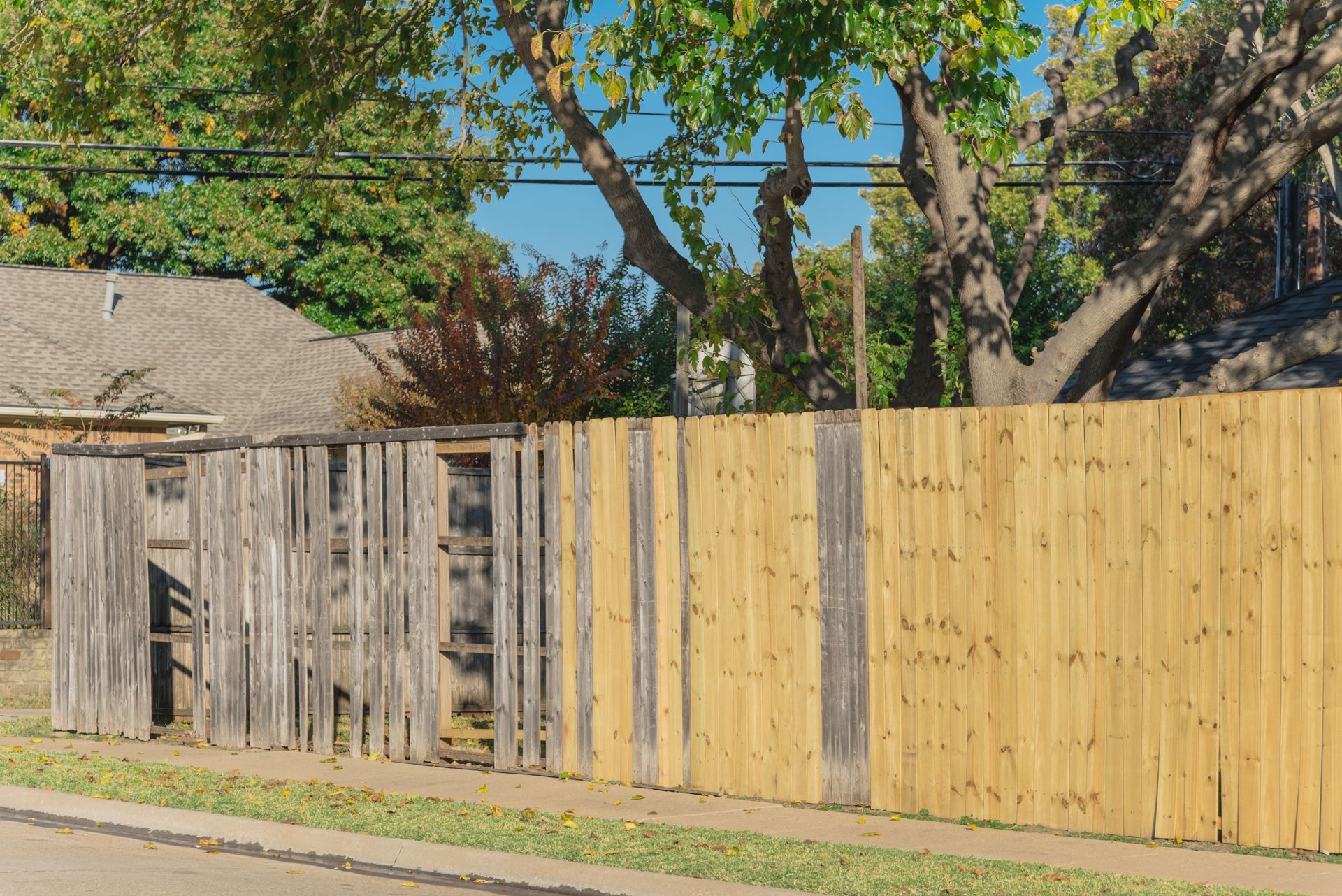
As we transition into the peak of summer, the focus shifts from moisture to UV exposure. The intense Texas sun can dry out wood fibers, leading to "checking" or large cracks that allow water to penetrate even deeper into the wood. This cycle of getting wet and drying out rapidly is what causes panels to warp and fasteners to loosen. By following a seasonal schedule, you can address these issues before they turn into a full-scale emergency.
Signs Your Fence Is Reacting to the Seasons
You should perform a walk-through of your property at least twice a year, ideally in the spring and fall. During your spring inspection, look for signs of "heaving" where the posts may have been pushed upward by the clay soil during winter rains. You should also check for a green or black film on the wood: this is a sign of mildew or mold growth fueled by our local humidity.
In the fall, after a long summer of heat, inspect your fence for brittle boards or sections that have become loose from the rails. If your gate no longer latches correctly, it is often a sign that the support posts have shifted due to the ground drying out and shrinking. These small changes might seem minor, but they are indicators that the structural integrity of your wood fence replacement may be at risk.
Why Jersey Village Soils Impact Your Fence
The soil in our area, particularly near the White Oak Bayou, is known for its high silt and clay content. This type of soil is highly reactive to seasonal moisture. When it rains heavily, the soil expands and can actually push against the concrete footings of your fence. Conversely, during a dry spell, the soil pulls away from the posts, leaving them unstable.
This constant movement is why seasonal timing is so important for new installations. If you install a fence in the middle of a major rainy season, the concrete may not cure correctly in the saturated ground. Professionals often recommend late fall or early winter for new projects in Jersey Village because the soil is typically drier and more stable, allowing for a much stronger foundation for your new posts.
Seasonal Maintenance Solutions
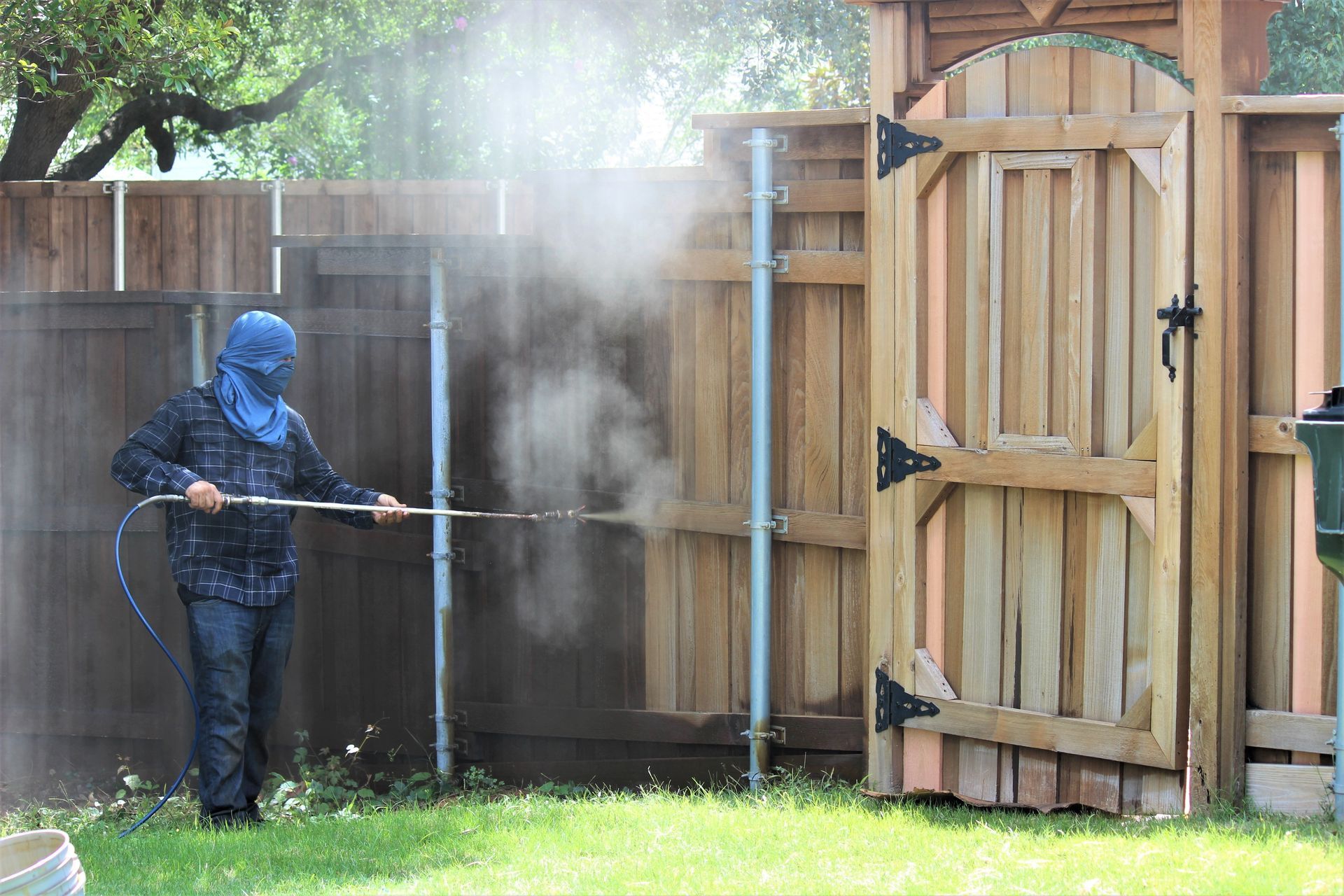
To protect your investment, you should aim to clean and seal your fence every two to three years. Spring is the optimal time for this task. The mild temperatures allow for better penetration of stains and sealants compared to the extreme heat of summer.
- Spring Cleaning: Use a soft-bristled brush and a mild detergent to remove mildew. Avoid high-pressure washing, as it can damage the delicate wood fibers.
- Summer Protection: Ensure your lawn sprinklers are not consistently hitting the fence, as the mineral buildup and constant moisture will accelerate rot in specific spots.
- Fall Debris Removal: Clear leaves and mulch away from the base of the fence. Wet debris trapped against the bottom of the pickets is a leading cause of "wicking" rot.
Estimating the Costs of Seasonal Upgrades
Investing in a high-quality stain or sealant in the spring can save you thousands of dollars in premature replacement costs. A professional staining job typically costs a fraction of a full replacement and provides a vital UV barrier. If you find that the damage is already done, the cost of a full replacement will depend on your choice of materials and the length of your property line.
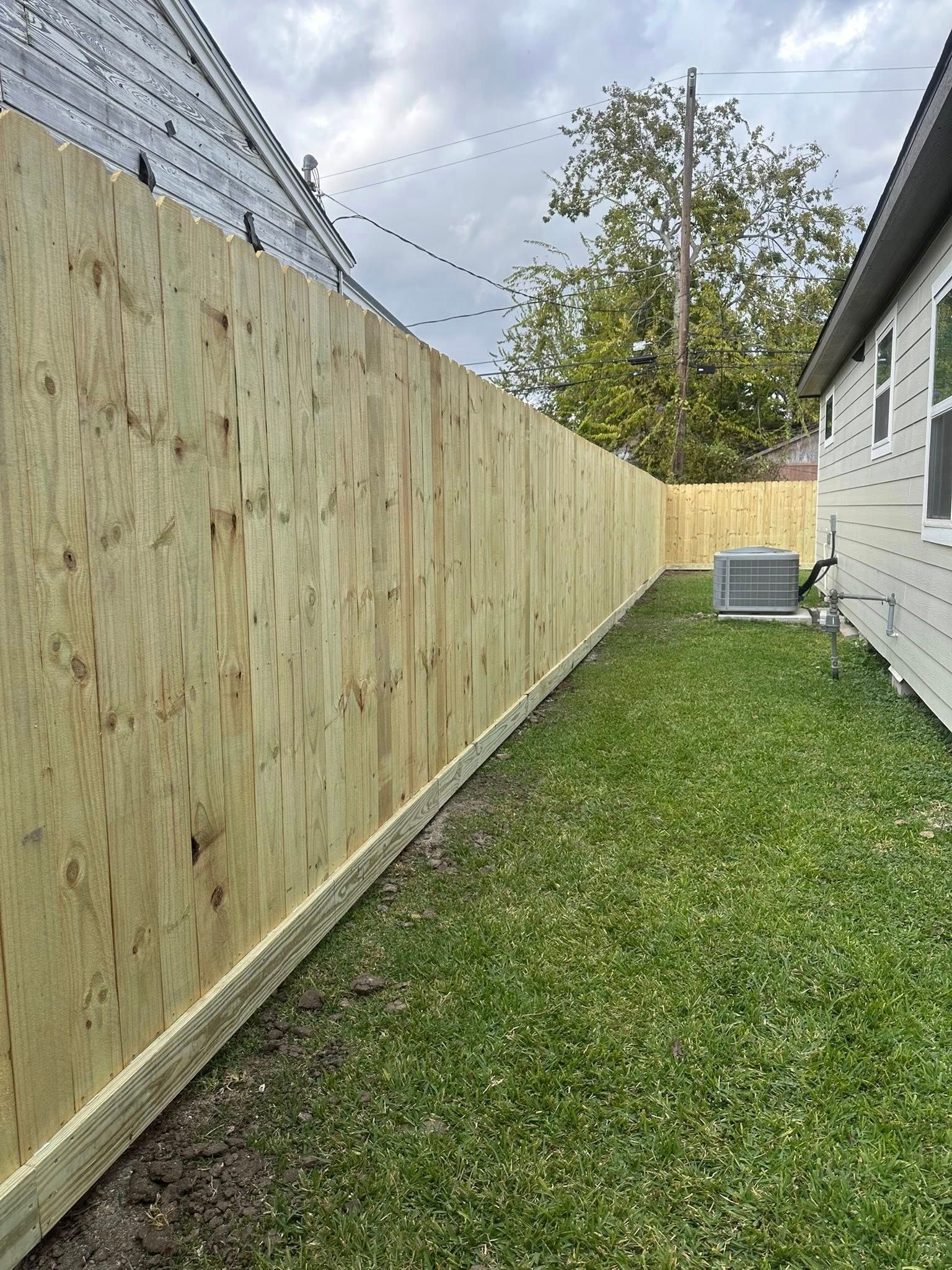
Many Jersey Village homeowners choose to upgrade to a "rot board" during their replacement. This is a pressure-treated board installed at the very bottom of the fence panels. It prevents the main pickets from touching the ground, protecting them from moisture and weed-eater damage. While this adds a small amount to the initial cost, it significantly extends the life of the entire system.
When to Call a Professional
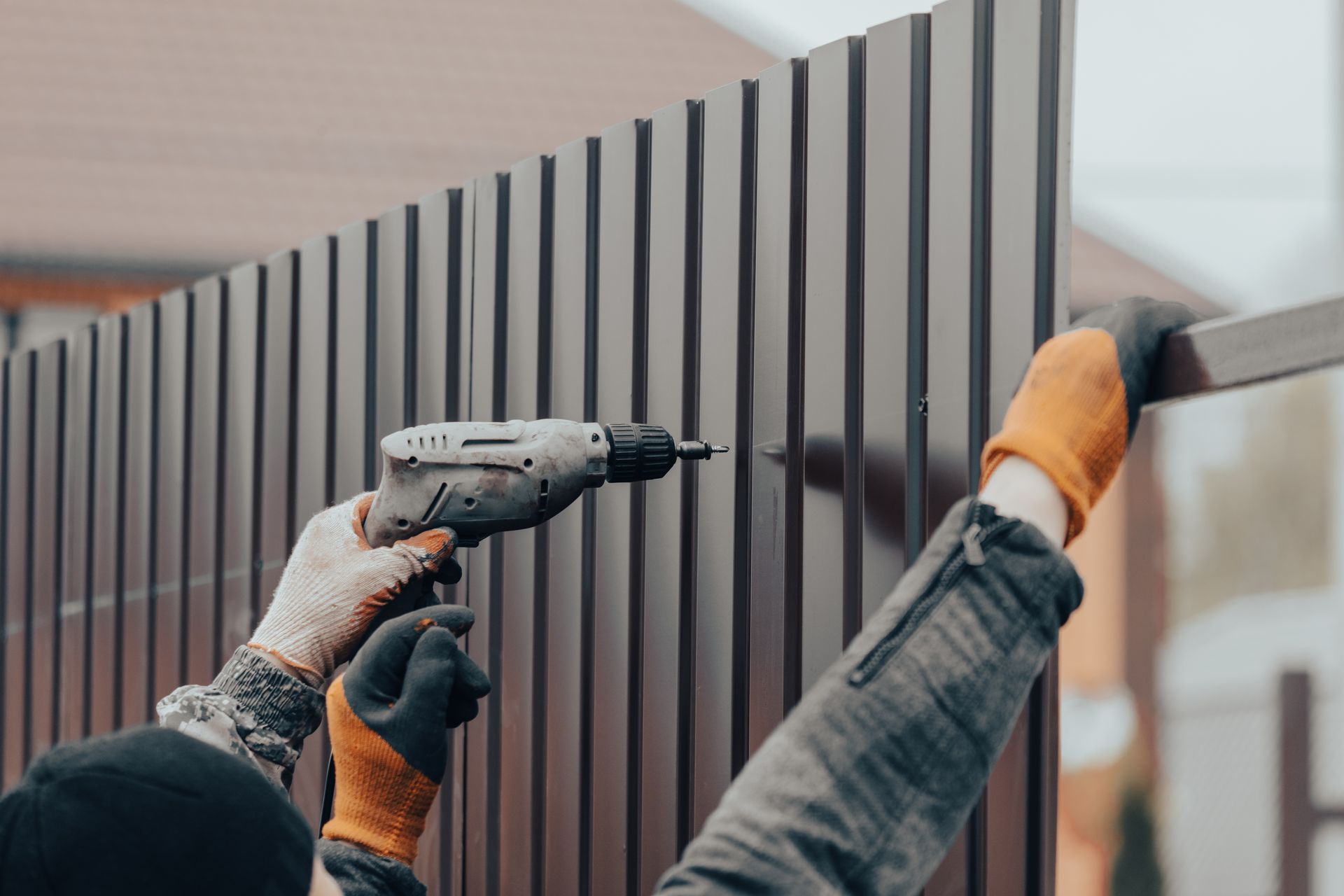
If you notice that several posts are leaning or if large sections of the fence are wobbly, it is time to call in a professional. DIY repairs are great for replacing a single picket, but structural issues require specialized equipment. A professional team understands how to navigate the local utility lines that run through many Jersey Village backyards and can ensure that your new installation meets all local safety codes.
What is the best month for fence replacement in Jersey Village?
The months of October through February are often the best for fence replacement in the Jersey Village area. During this time, the soil is generally drier and more stable, which provides the ideal conditions for setting posts in concrete. Additionally, the cooler temperatures are easier on the installation crews, often leading to a faster and more efficient project.
Professional installers also have access to higher-grade lumber and commercial-strength sealants that are not always available at big-box home improvement stores. This expertise is especially valuable if your property is near a low-lying area or a tributary of the White Oak Bayou where drainage is a concern.
Local Context: Fencing for Jersey Village Neighborhoods
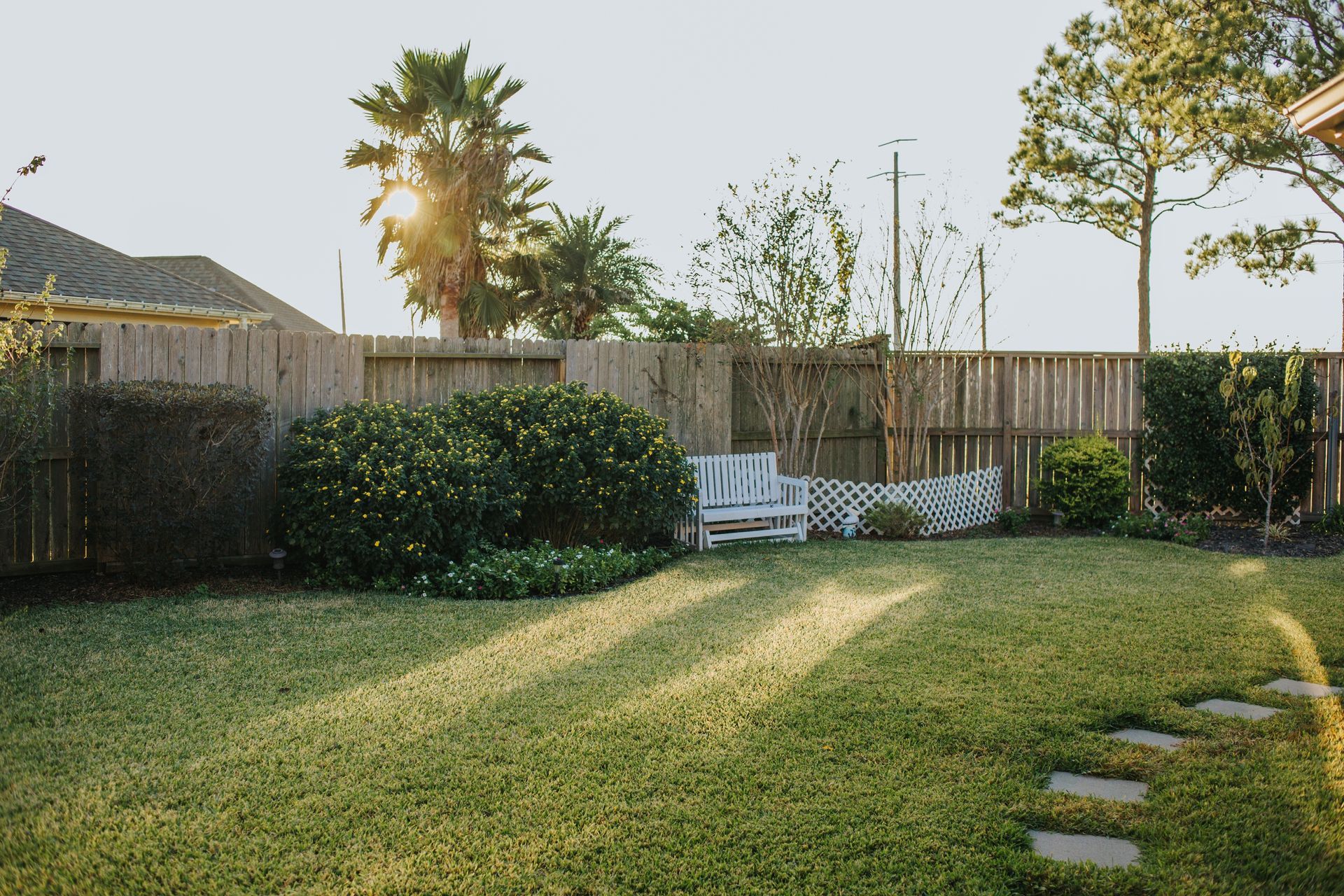
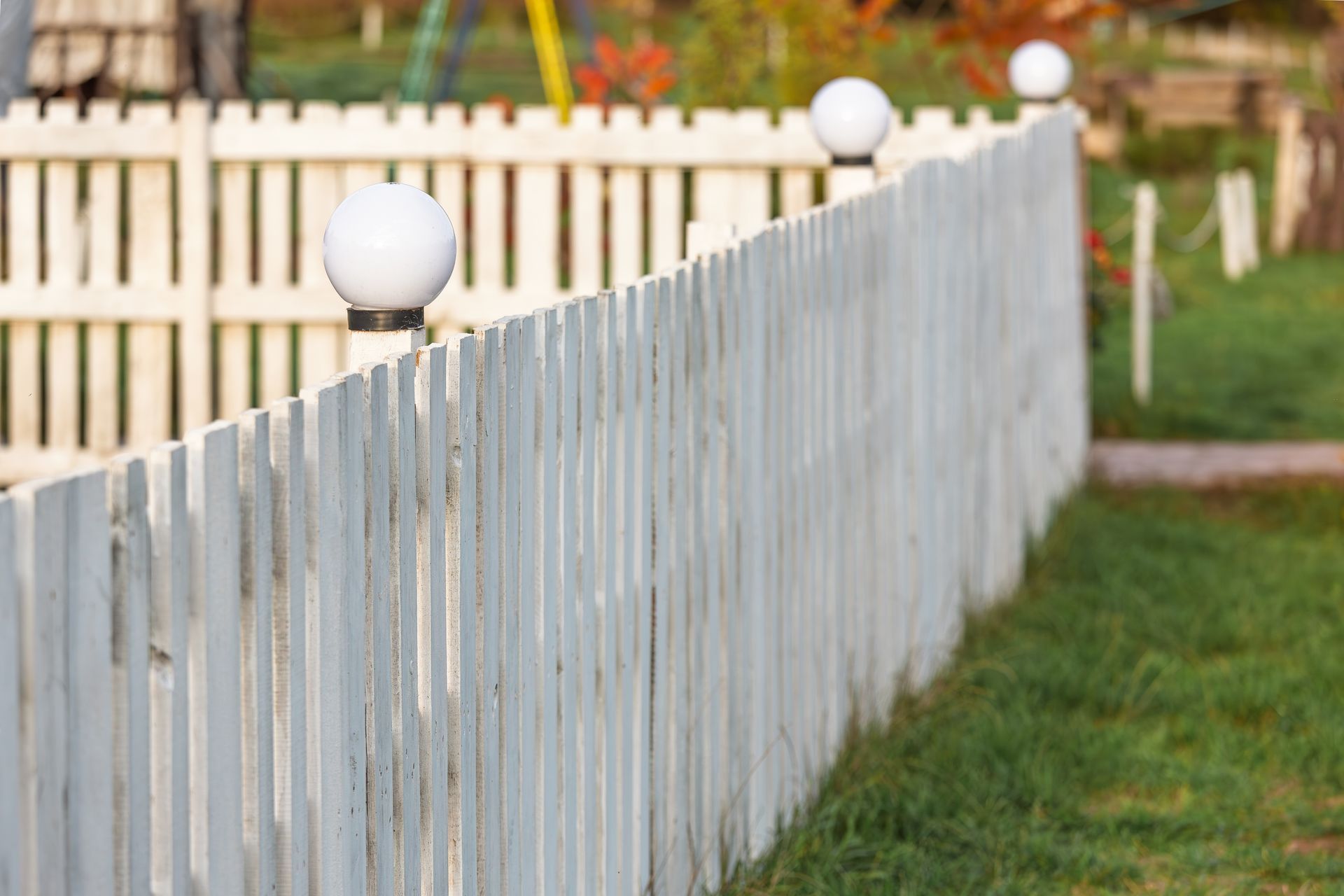
Whether you live on the tree-lined streets near Carol Fox Park or in a home overlooking the golf course, your fence plays a major role in the local aesthetic. Jersey Village has specific ordinances regarding fence height and materials to ensure the community maintains its classic, well-kept character. For instance, solid privacy fences are generally capped at seven feet in the backyard, while front-yard fencing is limited to three feet for solid materials or four feet for see-through options.
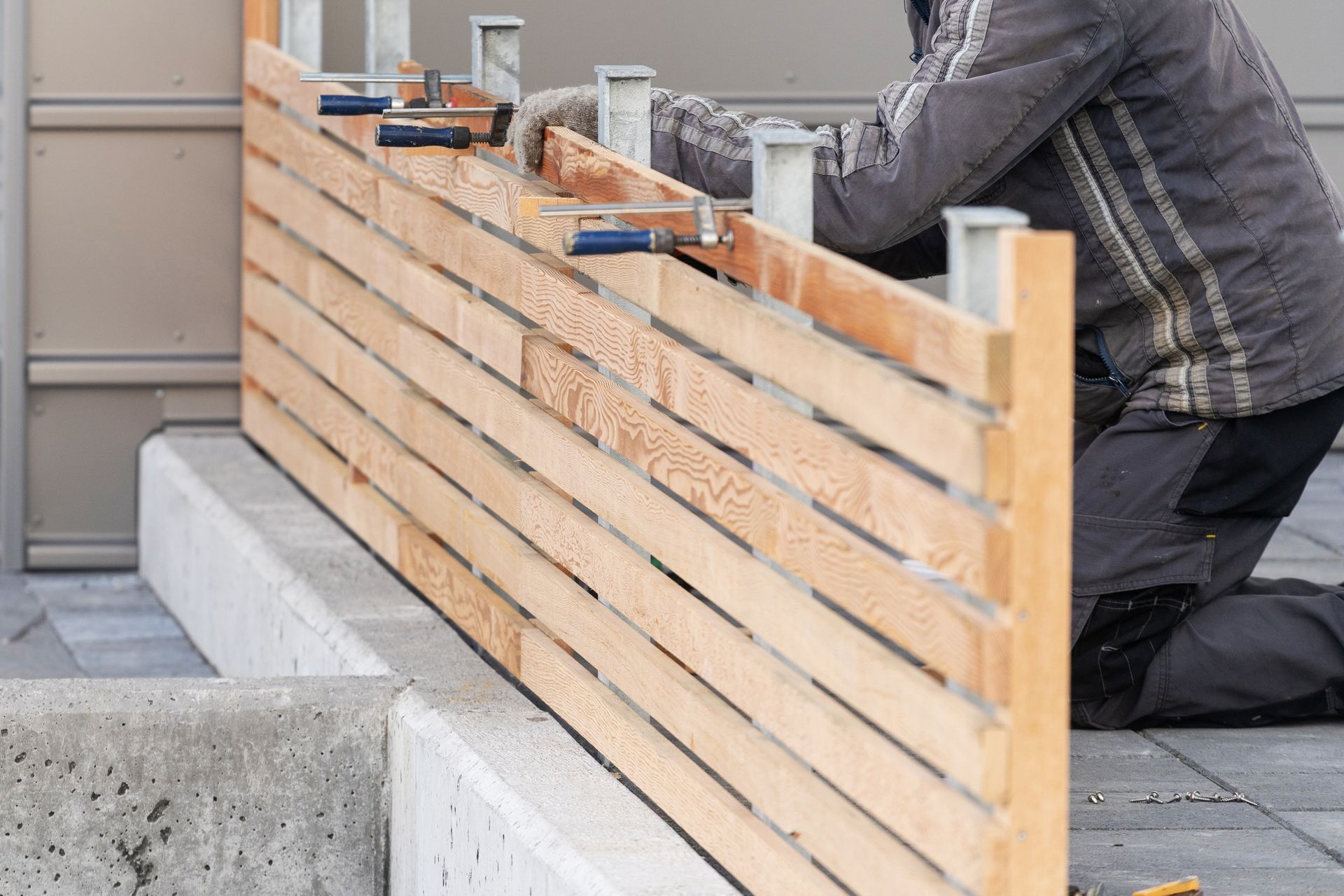
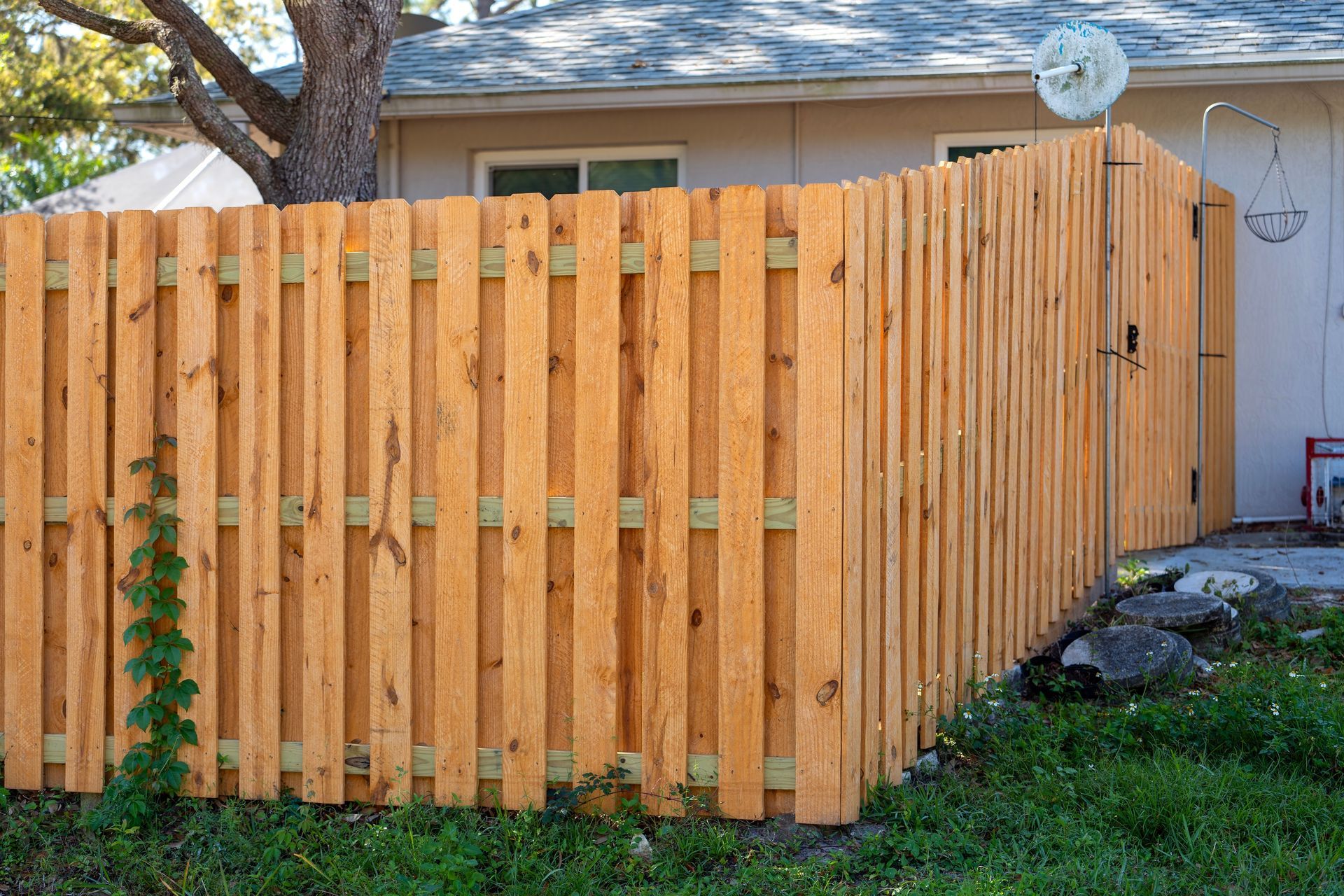
When choosing a design, consider the "shadowbox" style. This allows air to flow through the fence more easily than a standard privacy design. In our humid climate, increasing airflow helps the wood dry out faster after a storm, reducing the risk of mold and rot. It also puts less stress on the posts during the high-wind events that occasionally sweep through Harris County.
Trust the Local Experts at Fence it
At Fence it, we have deep roots in the Houston area and understand the specific environmental stressors that Jersey Village homeowners face. We pride ourselves on being more than just a construction crew: we are local experts who know which materials will actually last in our humidity and which designs work best for our soil. We are a fully licensed and insured team, committed to providing transparent communication and durable results. Our knowledge of local building codes and HOA standards ensures that your project is completed correctly the first time, giving you peace of mind throughout the seasonal changes.
Schedule Your Seasonal Fence Assessment Today
Don't wait for the next major storm to find out that your fence is failing. Taking a proactive approach to your home's perimeter will save you money and keep your property secure. Our team is ready to help you evaluate your current fence and provide a clear plan for maintenance or replacement that fits your schedule and budget. Whether you need a simple spring refresh or a complete winter installation, we are your go-to partner for professional fence installation in Jersey Village TX. Contact us today to learn more about our seasonal options and how we can help protect your home.
FAQ Section
What is the most moisture-resistant wood for Jersey Village?
Western Red Cedar is the top choice for our climate. It contains natural oils and tannins that make it highly resistant to rot, decay, and insect damage. While pressure-treated pine is also common, it requires more frequent sealing to prevent it from warping in our local humidity.
How do I prevent my fence from rotting at the bottom?
The best way is to install a pressure-treated rot board at the base of your fence. This board acts as a barrier between the ground and your fence panels. Because it is made of heavy-duty treated lumber, it can withstand ground contact and can be easily replaced if it eventually wears out.
Can high winds from hurricanes damage my fence?
Yes, high winds can put significant lateral pressure on fence panels. Choosing a design like a shadowbox fence, which allows air to pass through, can help reduce wind load. Additionally, ensuring that your posts are set at least 24 to 36 inches deep is critical for wind resistance.
Should I choose wood or vinyl for a low-maintenance option?
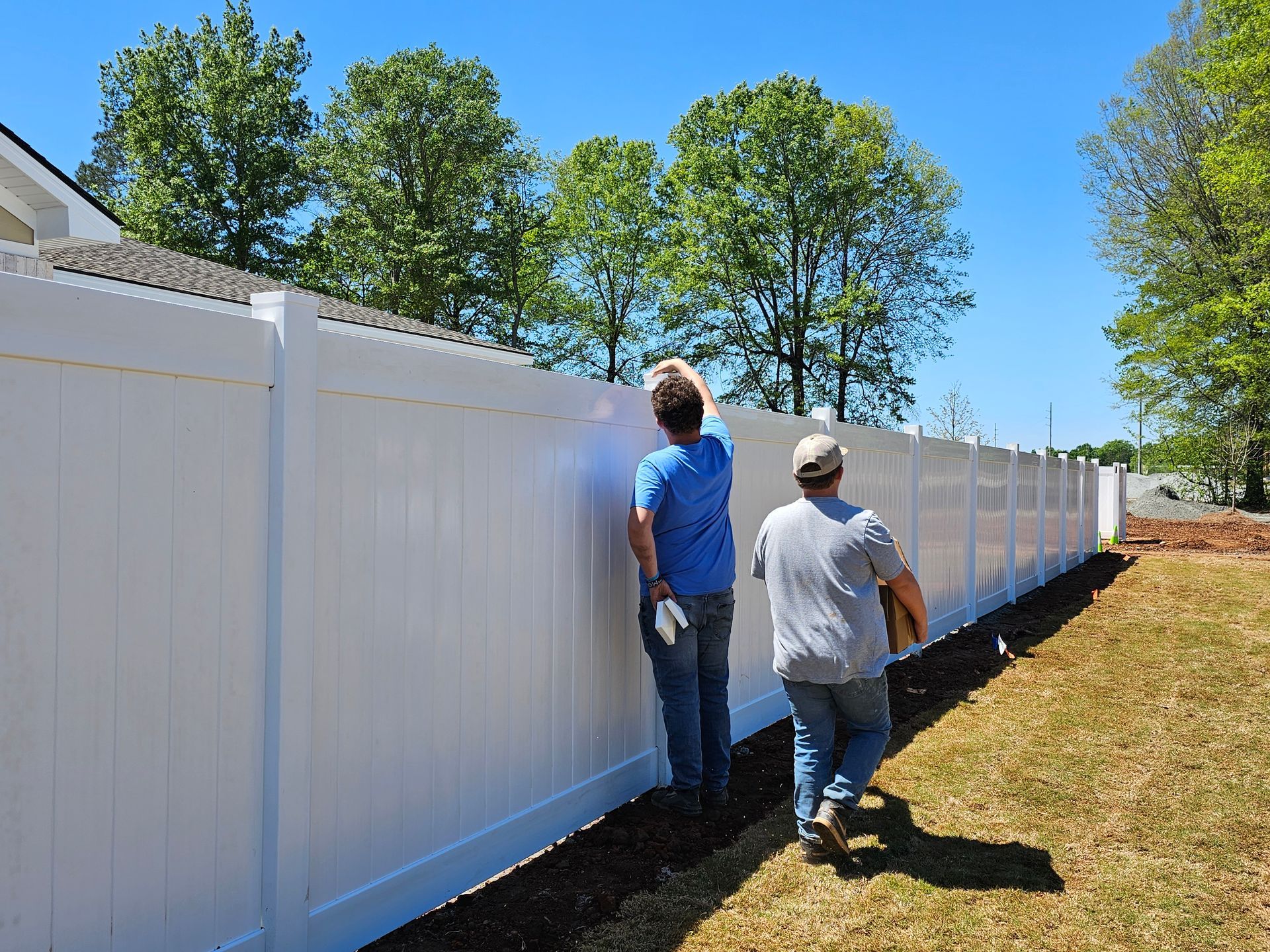
Vinyl is an excellent low-maintenance alternative for the Jersey Village climate. It does not rot, warp, or require staining. However, wood is often preferred for its natural look and the ability to customize the design to match the traditional architecture of our neighborhoods.
How long does it take to complete a fence replacement?
For most residential properties in Jersey Village, a professional crew can complete a full replacement in two to three days. This includes the removal of the old fence, setting new posts, and installing the final panels or pickets.
Will my homeowners association (HOA) have rules about my fence?
Most neighborhoods in Jersey Village have HOAs that specify allowed materials, heights, and colors for fencing. It is important to review your neighborhood's covenants and get any necessary approvals before beginning your project to avoid potential fines or rework.