Emergency Fence Replacement in Magnolia TX: A Homeowner’s Recovery Guide
Emergency Fence Replacement in Magnolia TX: A Homeowner’s Recovery Guide
Homeowners in Magnolia, TX, understand that while our towering pine trees and expansive properties offer a beautiful landscape, they also present unique risks during the Texas storm season. When a sudden thunderstorm or a heavy wind event causes a fence to fail, the situation quickly shifts from a minor inconvenience to a genuine emergency. A downed fence leaves your property exposed, your pets at risk of escaping, and your privacy completely compromised. In this guide, we will walk you through the essential steps for handling an emergency fence failure, how to determine if a full replacement is necessary, and what local factors in Montgomery County impact your recovery process. Whether you are dealing with a fallen tree or structural collapse from high winds, knowing how to act fast can save you time and money.
The Reality of Fence Emergencies in Magnolia
In our part of Southeast Texas, emergency fence situations are often dictated by the weather. Magnolia is known for its dense canopy of trees, which adds character to the neighborhood but also creates a significant hazard when soil becomes saturated or winds reach high speeds. When a fence fails in an emergency capacity, it usually happens without warning.
A fence emergency is defined by any situation where the perimeter of your home is no longer secure. This could be due to a vehicle impact, a fallen oak limb, or even a sudden post failure during a heavy rainstorm. For residents with swimming pools or livestock, a broken fence is not just a cosmetic issue: it is a liability. Local safety codes often require a functional barrier around pools at all times, making an immediate emergency fence replacement a top priority for maintaining legal compliance and household safety.
Signs Your Fence Needs Immediate Replacement
Not every leaning fence is an emergency, but certain signs indicate that the structure is no longer safe and must be replaced rather than repaired. If several consecutive sections of your fence have flattened to the ground, the structural integrity of the entire line is likely compromised. In Magnolia, where we often deal with sandy loam soil, a fence that has been uprooted during a storm often indicates that the post holes were either too shallow or the wood has rotted below the surface.
You should look for splintered or shattered pickets and cross-rails that can no longer hold the weight of the fence. If the main support posts have snapped at the base, the fence is a hazard to anyone walking nearby. This is especially true during high-wind events where a partially standing fence can act like a sail, catching the wind and potentially pulling down additional sections or damaging nearby structures like sheds or carports.
Common Causes of Sudden Fence Failure
While age is a factor, sudden failures in Magnolia are typically caused by environmental stressors. The combination of high humidity and the local termite population can weaken wood fences over time, leaving them vulnerable to the next big gust of wind.
- Tree and Limb Impact: This is the most common cause of emergency replacement in our wooded neighborhoods. Large branches falling from height can crush top rails and snap posts instantly.
- Soil Saturation and Erosion: After heavy Texas downpours, the ground can become soft and unstable. If your fence was not installed with proper concrete footings, the posts can lean or sink, leading to a domino effect along the fence line.
- High-Wind Exposure: Even without a direct hit from a limb, straight-line winds can put immense pressure on a fence. If the wood is older or the fasteners have rusted, the wind can literally pull the pickets away from the rails.
Emergency Solutions and Temporary Security
When a fence goes down, your first step should be to secure the area. If you have pets or children, you may need to use temporary orange construction fencing or even heavy-duty plywood panels to block the gap. This is a temporary fix intended to provide a basic visual and physical barrier until a professional crew can arrive.
You should also document everything immediately for insurance purposes. Take clear photos of the damage from multiple angles, including any fallen trees or debris that caused the collapse. Before you attempt to move any heavy limbs, ensure there are no downed power lines nearby. In Magnolia, storms often knock branches into utility lines, and these can become entangled with your metal or wood fencing, creating a lethal electrocution risk. Always wait for a utility professional if you suspect a line is down.
Cost Considerations for Replacement
The cost of a wood fence replacement in the Magnolia area depends on several factors, including the linear footage, the material chosen, and the complexity of the debris removal.
Typically, homeowners can expect to pay for the removal of the old, damaged material as well as the installation of the new system. If a tree caused the damage, you might also face costs for stump grinding or limb removal before the new fence can be installed.
Many homeowners find that their homeowner’s insurance policy covers fence replacement if the damage was caused by a "covered peril" like a windstorm or a fallen tree from a neighbor's yard. However, insurance often pays out based on the depreciated value of the fence rather than the full replacement cost, so it is important to review your specific policy details.
When to Call a Professional
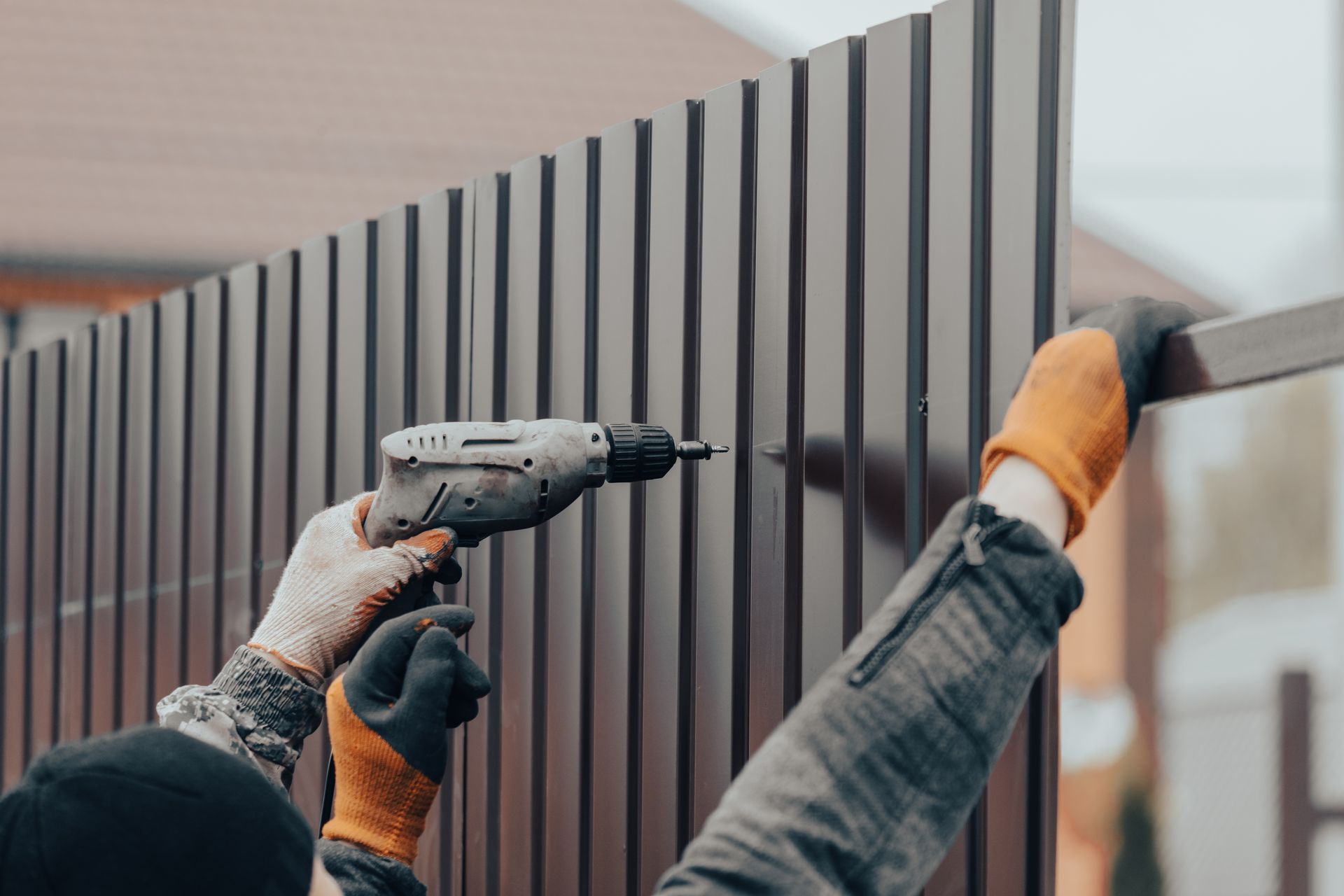
While some homeowners might consider a DIY patch job, an emergency replacement usually requires professional expertise. A professional team has the equipment to quickly pull old concrete footings and set new posts in a way that will withstand future Magnolia storms.
How do you know if you need a professional for fence replacement?
You should call a professional if more than two posts have snapped, if a tree has crushed the frame, or if the fence is part of a pool safety enclosure. Professional installers ensure that the new posts are set deep enough to handle local soil shifts and high wind loads, providing a level of security that DIY repairs often lack.
If your fence is leaning at a forty-five-degree angle or if the posts are wobbly when pushed, the structural stability is gone. Trying to prop these sections up with 2x4s is a temporary measure that can fail in the next breeze. A professional can provide a long-term solution that includes better rot protection and stronger fasteners.
Local Factors: Building for the Magnolia Climate
Magnolia, TX, presents specific challenges for fencing materials. Our high humidity levels mean that untreated wood will rot significantly faster than in drier climates. Furthermore, the local soil can be a mix of clay and sand, which expands and contracts with our frequent rain-and-drought cycles.
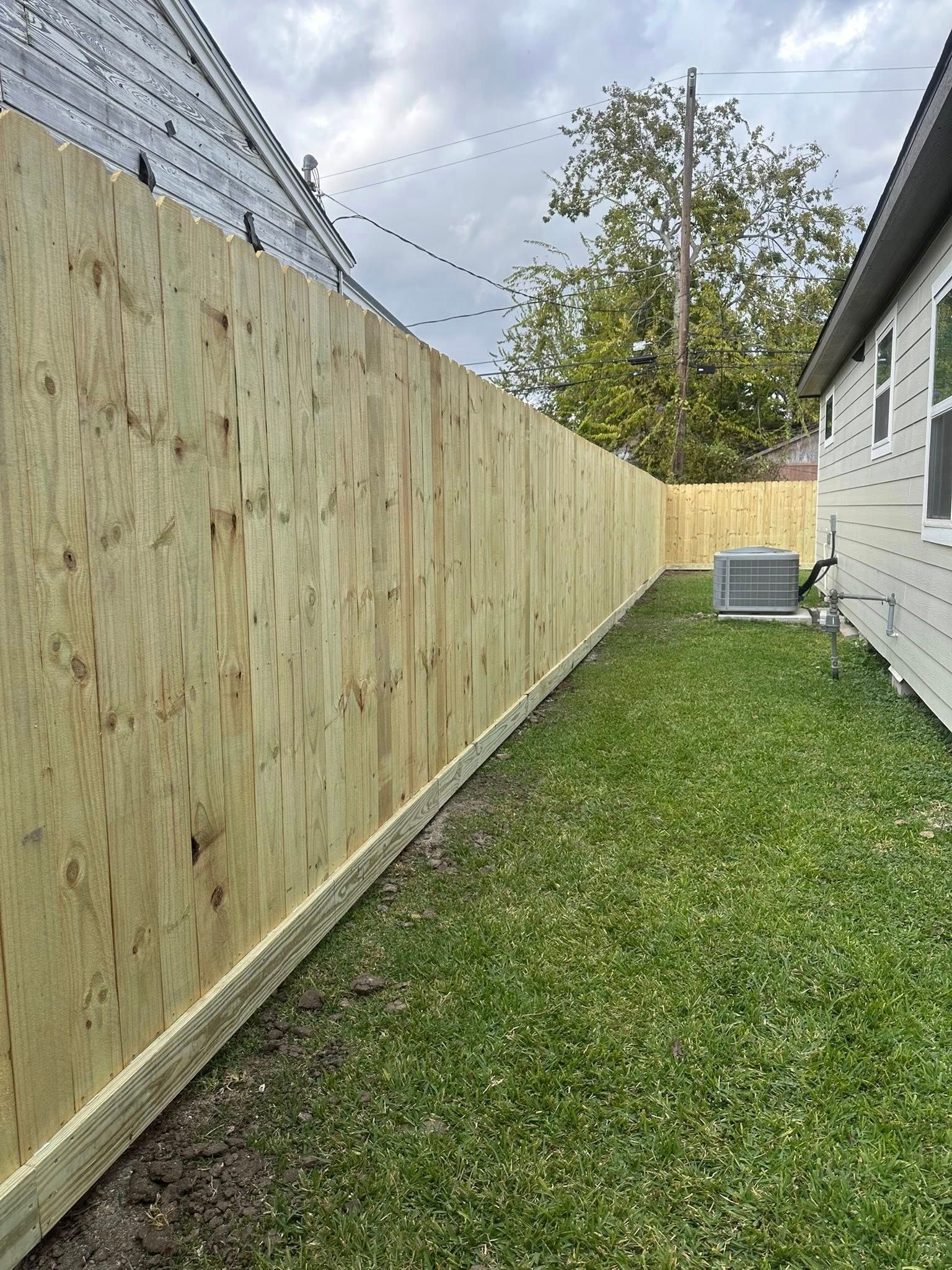
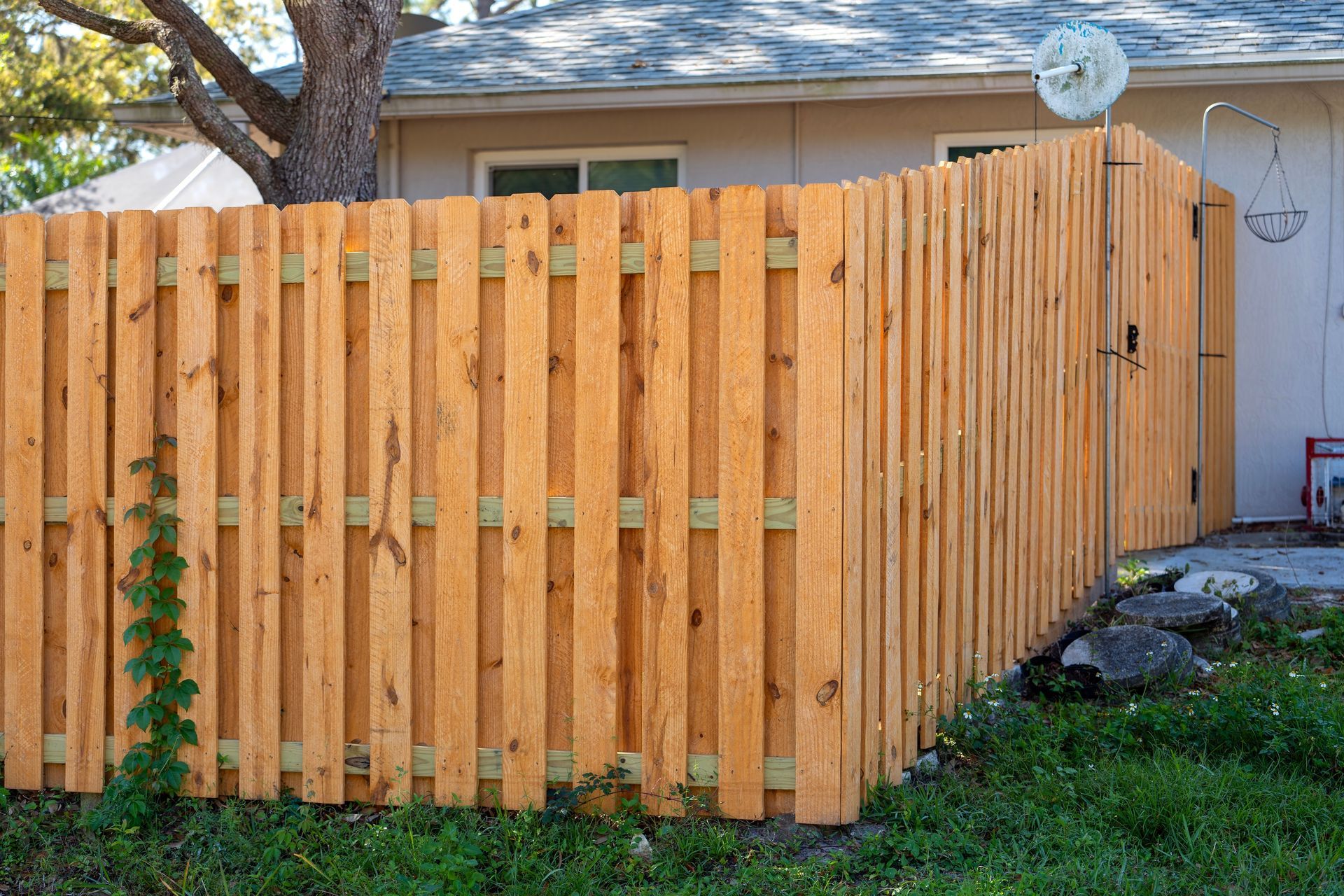
To ensure your new fence lasts, we recommend using pressure-treated pine or cedar with thick, heavy-duty posts. It is also wise to consider the "wind load" of your fence design. A standard privacy fence acts as a solid wall against the wind, but a "shadowbox" design allows some air to pass through, which can help the structure survive the heavy gusts common during our spring storm season. Using galvanized or stainless steel fasteners is also critical to prevent the "bleeding" and rust streaks that occur when inferior nails react with our humid air.
Trust the Local Experts at Fence it
When your property is exposed and you need a fast response, working with a team that knows Montgomery County is essential. At Fence it, we have years of experience helping homeowners navigate the aftermath of Texas storms. We understand the urgency of an emergency replacement and prioritize getting your perimeter secure as quickly as possible. Our licensed and insured technicians are familiar with local building codes and the unique environmental demands of the Magnolia area. We focus on high-quality materials and precision installation so that your new fence is even stronger than the one it replaced.
Schedule Your Emergency Fence Inspection in Magnolia
If your fence has suffered storm damage or a sudden collapse, do not leave your property at risk. Our team is ready to provide a thorough assessment and a clear plan for a full replacement that restores your home's privacy and security. Whether you need a standard wood privacy fence or a more durable modern alternative, we provide expert fence installation in Magnolia TX that stands the test of time. Reach out today to discuss your project and get a professional on-site to secure your home.
FAQ Section
How do I secure my yard while waiting for a new fence?
If you have pets or a pool, you must create a temporary barrier. You can use plastic snow fencing or portable metal panels available at most home improvement stores. If a large section is missing, some homeowners use plywood sheets screwed into the remaining healthy posts as a short-term security measure.
Can I just replace the damaged sections instead of the whole fence?
It depends on the age of the fence. If the remaining posts are healthy and not showing signs of rot, a partial replacement is possible. However, if the storm revealed widespread rot or if the old wood is brittle, replacing the entire line is usually more cost-effective in the long run to ensure uniform strength.
Should I choose wood or vinyl for my Magnolia home?
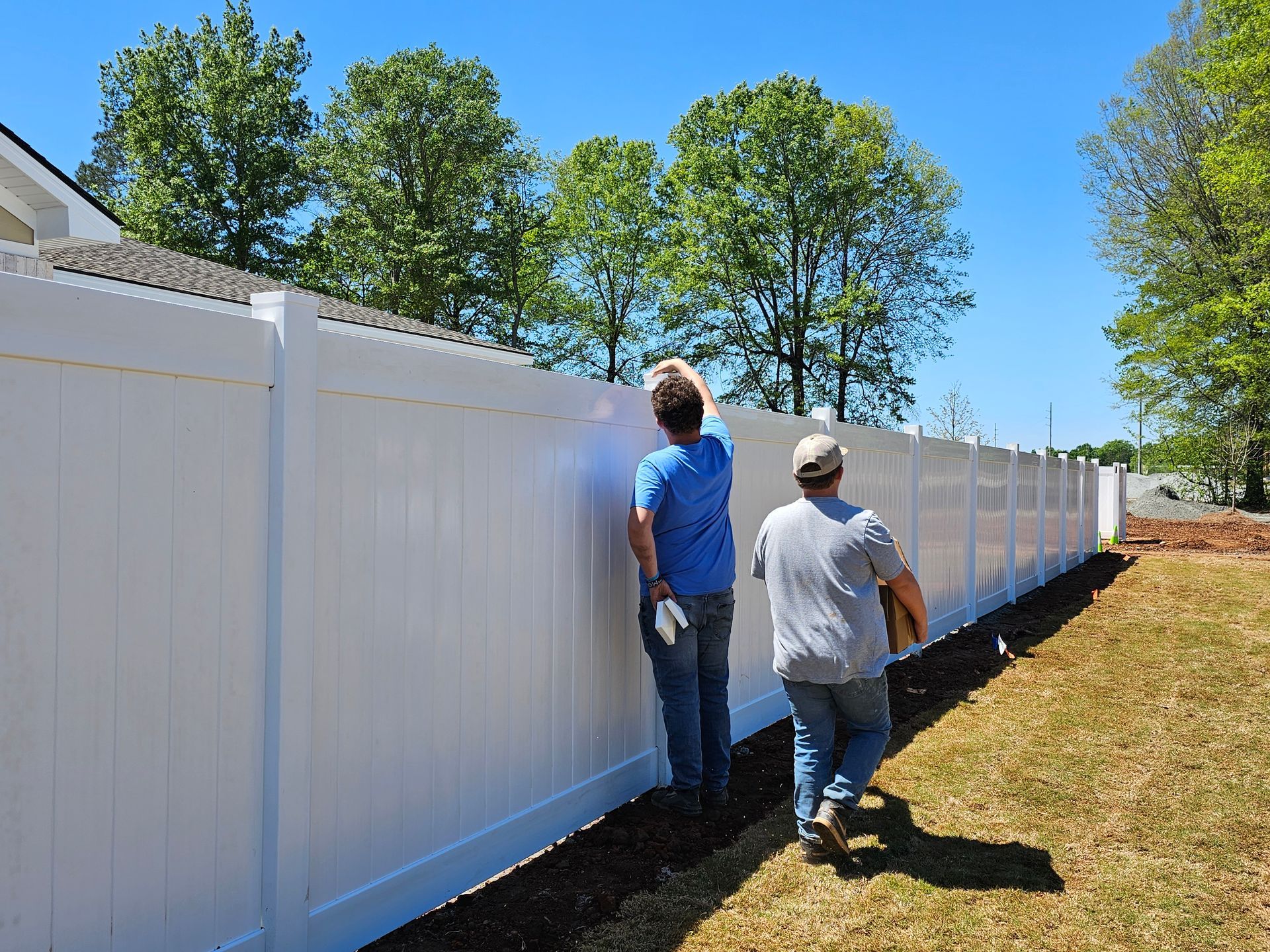
Wood is the traditional choice and offers a classic look that fits Magnolia's wooded lots. Vinyl is a low-maintenance alternative that does not rot or require staining, but it can be more expensive upfront. Both materials work well, but wood is often preferred for its natural ability to blend into the local landscape.
How deep should fence posts be buried in Texas soil?
In the Magnolia area, fence posts should generally be buried at least twenty-four inches deep. For heavy gates or corners, thirty-six inches is preferred. Setting the posts in concrete helps stabilize them against the shifting sandy loam soil and ensures the fence stays level during heavy winds.
Will the new fence look different from my old one?
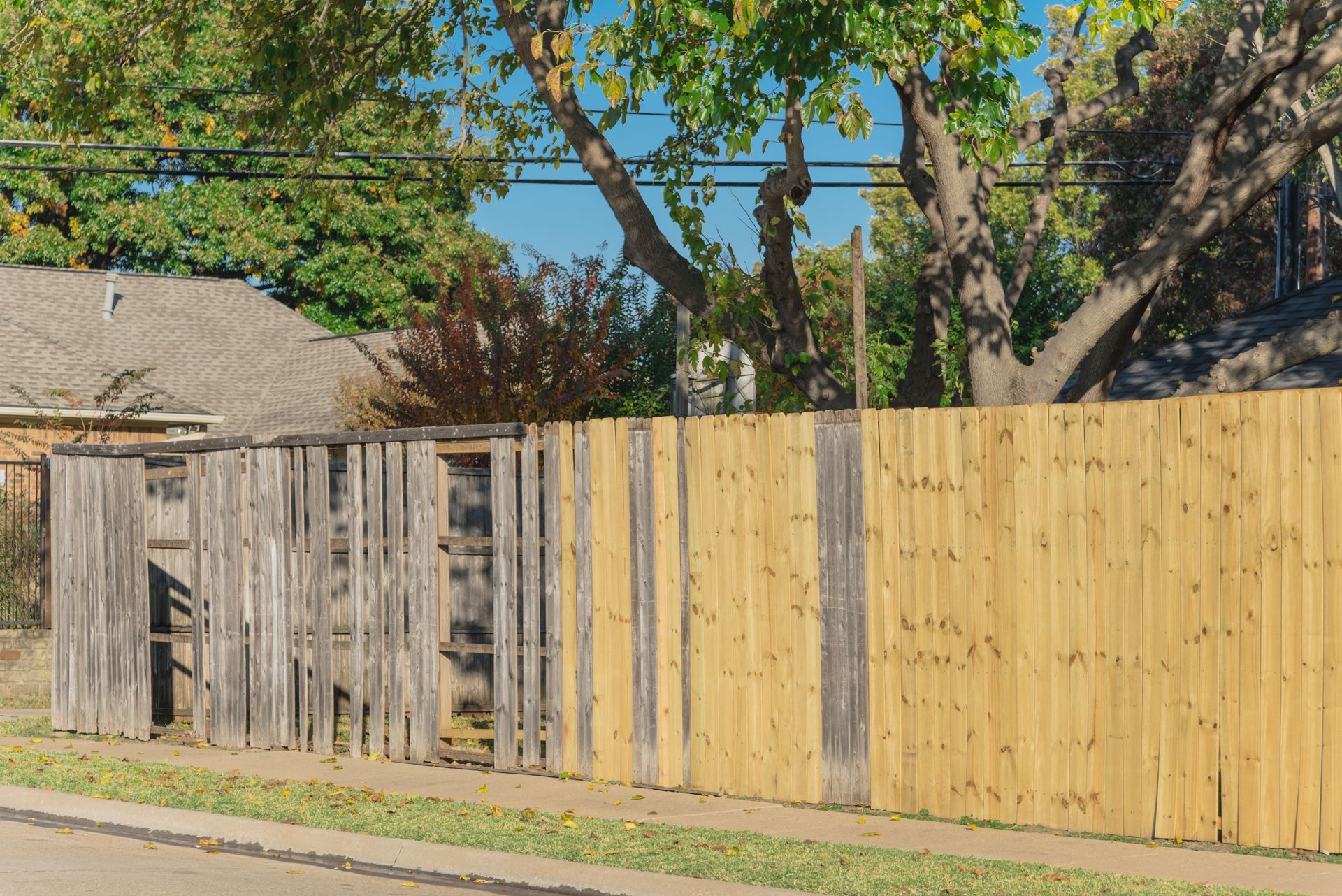
Fresh lumber always looks different than weathered wood. A new cedar fence will have a warm, reddish hue that eventually fades to a silver-grey if not stained. If you are only replacing a portion of your fence, we recommend staining the entire line once the new wood has "seasoned" for a few weeks to create a cohesive look.
What happens if a neighbor's tree falls on my fence?
In Texas, if a neighbor's tree falls on your property due to an "act of God" like a storm, it is generally your insurance that handles the claim for your fence. However, if the tree was dead or diseased and the neighbor was negligent in removing it, their insurance might be held responsible.