How to Tell if Your Fence is Failing: A Katy Homeowner Guide
How to Tell if Your Fence is Failing: A Katy Homeowner Guide
Homeowners in Katy often find that their property perimeter faces a unique set of environmental challenges that can compromise security and curb appeal faster than expected. Between the intense Gulf Coast humidity, localized "black gumbo" clay soil that shifts with every rain, and the blistering Texas sun, a residential fence is under constant stress. Whether you are noticing a slight lean in your pickets or your gates have stopped latching correctly, understanding the root cause is essential for long term property maintenance. In this guide, we will walk you through the diagnostic process to help you identify common fencing issues specific to our region and determine the best path forward for your home.
The Lifecycle of a Fence in the Gulf Coast Climate
In the Katy area, including master planned communities like Cinco Ranch and Firethorne, fences generally serve for 15 to 20 years before requiring significant overhauls. However, the lifespan of your specific system depends heavily on the quality of the initial materials and the precision of the setting. When you begin a diagnostic walk through, it is helpful to look at the fence as a structural system rather than just a series of boards. A fence that appears aesthetically pleasing from the street may have hidden structural rot or compromised footings that will lead to failure during the next high wind event or thunderstorm.
Common Signs and Symptoms of Fencing Issues
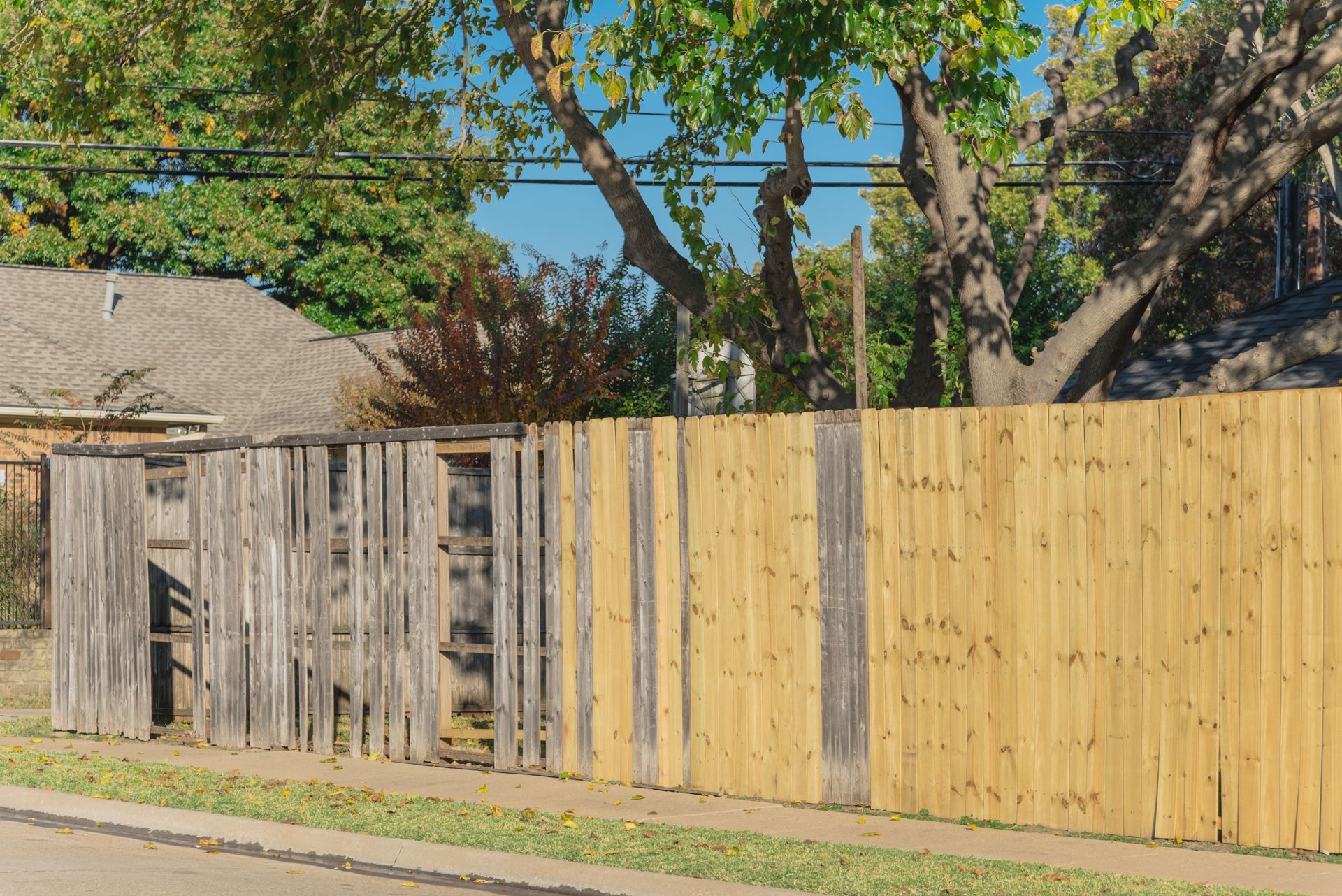
The most frequent symptom Katy residents report is a noticeable leaning or "wave" in the fence line. This often indicates that the posts, which serve as the skeleton of the entire structure, have lost their stability. You might also observe "wicking," a condition where the bottom of wood pickets stays dark and damp even on sunny days. This is a sign that the wood is pulling moisture from the ground, which inevitably leads to fungal growth and rot.
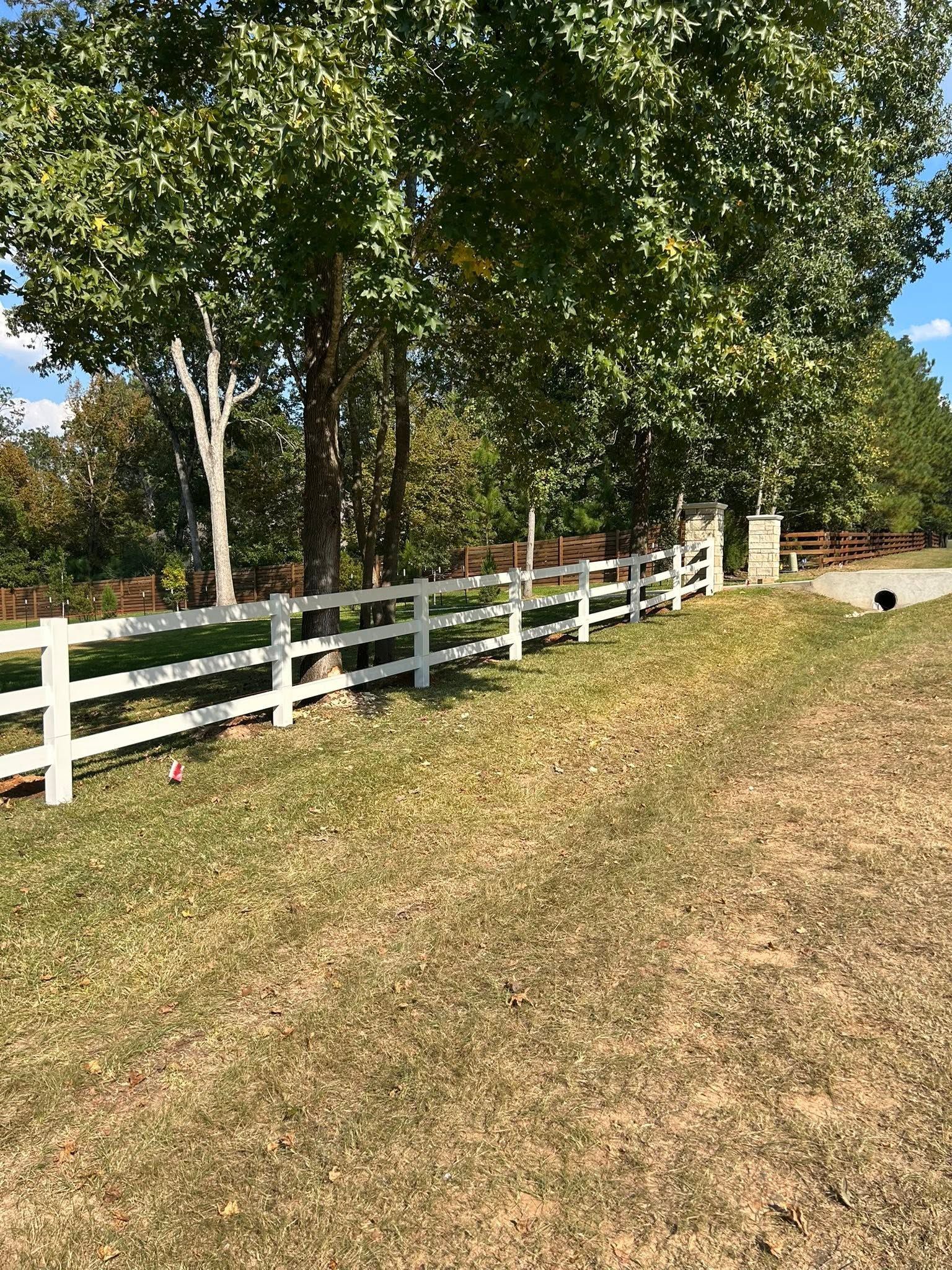
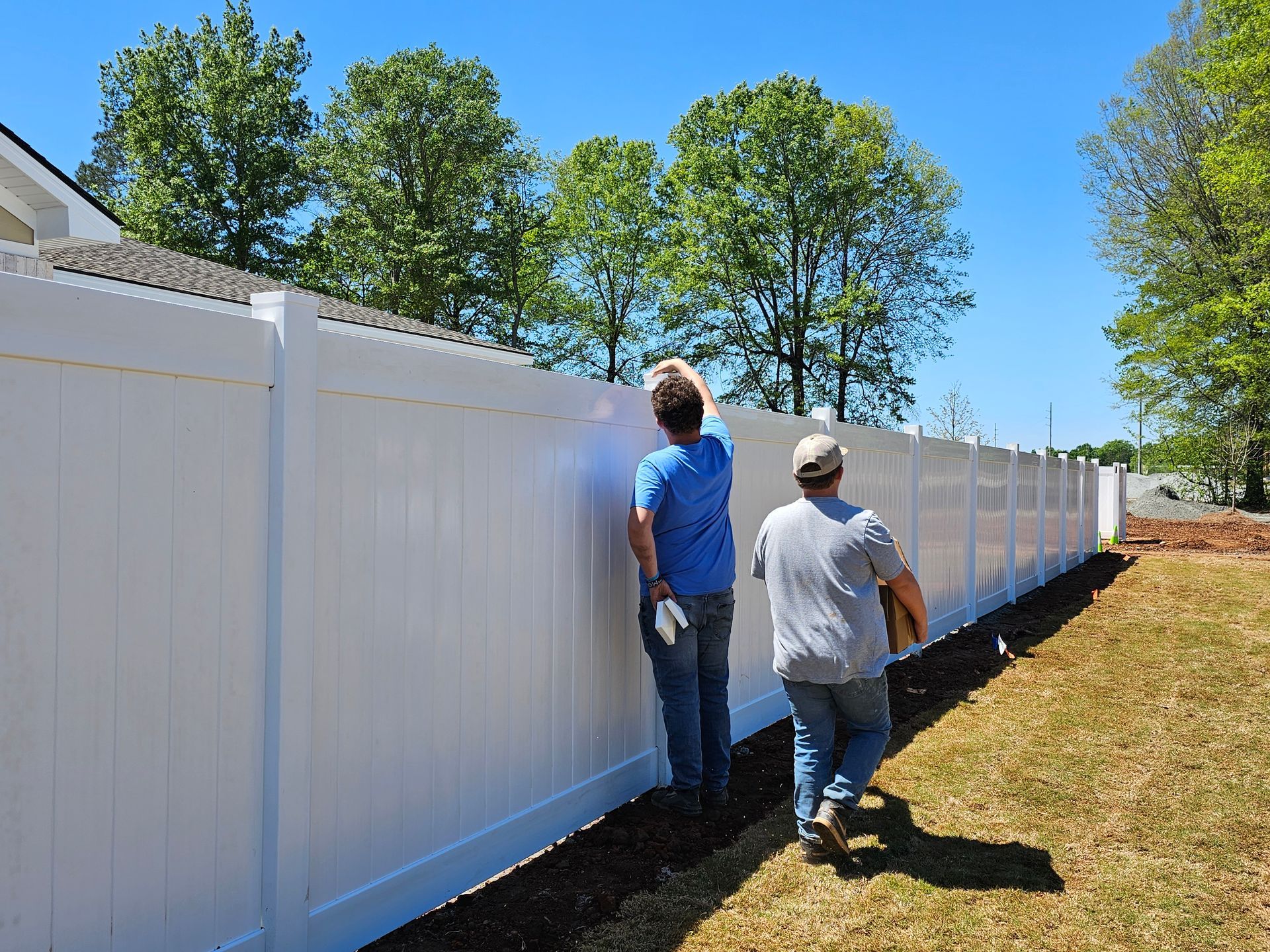
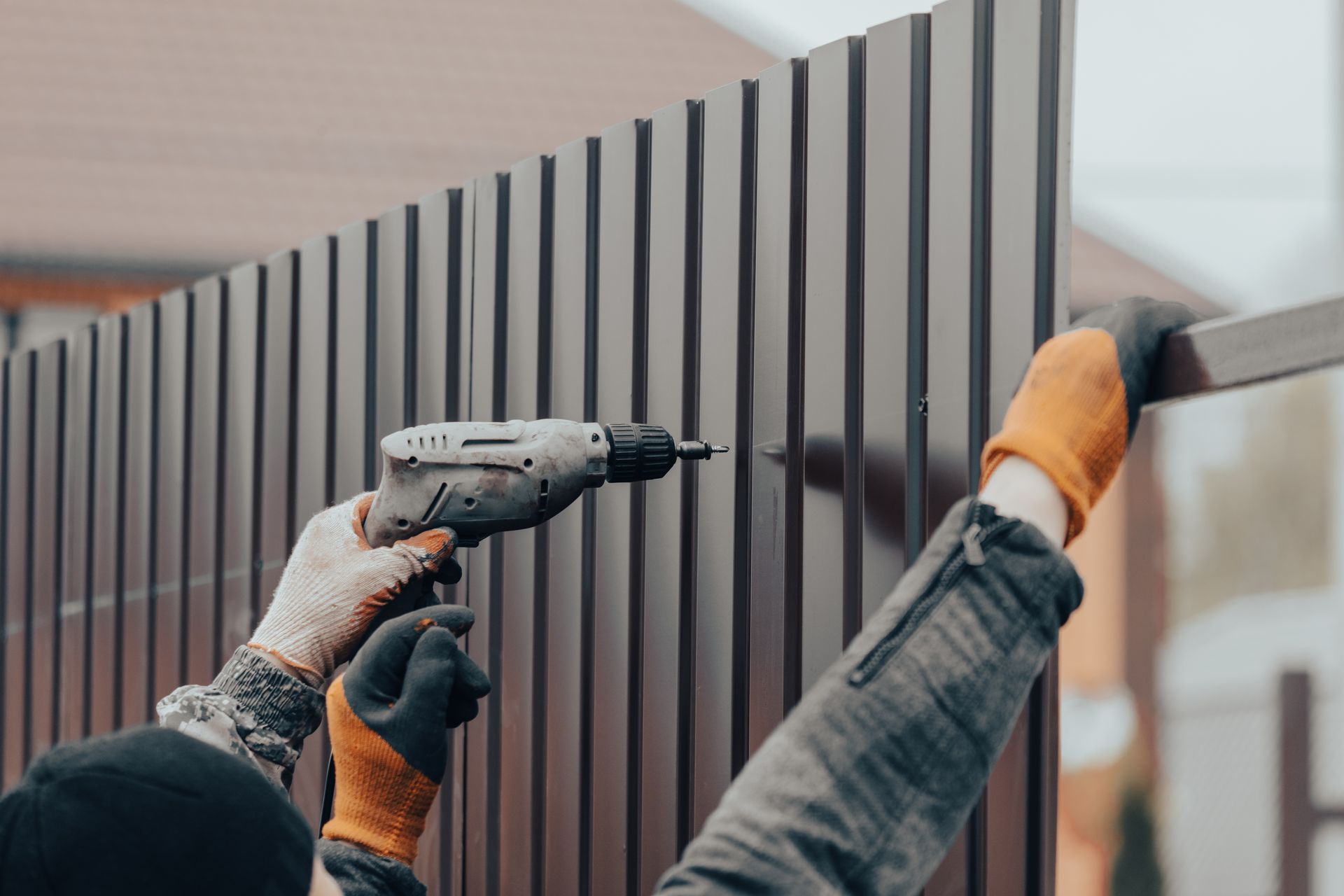
Another key sign to watch for is hardware misalignment. If your gate drags on the ground or the latch no longer meets the strike plate, the supporting posts have likely shifted due to soil expansion. In vinyl or composite systems, look for brittleness or cracking along the rails, which often stems from UV degradation. If you identify these symptoms early, professional fence installation techniques can often be used to reinforce specific sections before the entire run fails.
Diagnosing the Causes: Soil, Sun, and Pests
The primary driver of fence failure in Katy is the soil. The region is known for high clay content, specifically "expansive" soils that swell significantly when wet and shrink when dry. This constant movement puts immense pressure on concrete footings, eventually loosening the grip of the earth around the post. When this happens, a post that was once perfectly vertical can begin to tilt, pulling the rest of the fence panels with it.
Beyond the ground, the humidity encourages the growth of mold and mildew, which can eat through untreated wood fibers. Termites are also a persistent threat in Southeast Texas, often hollowing out posts from the inside out. Furthermore, the intense UV exposure can cause low quality materials to warp or twist. Understanding these local stressors is why choosing an experienced residential fencing contractor who uses climate appropriate materials is so critical for a lasting installation.
Practical Diagnostic Solutions
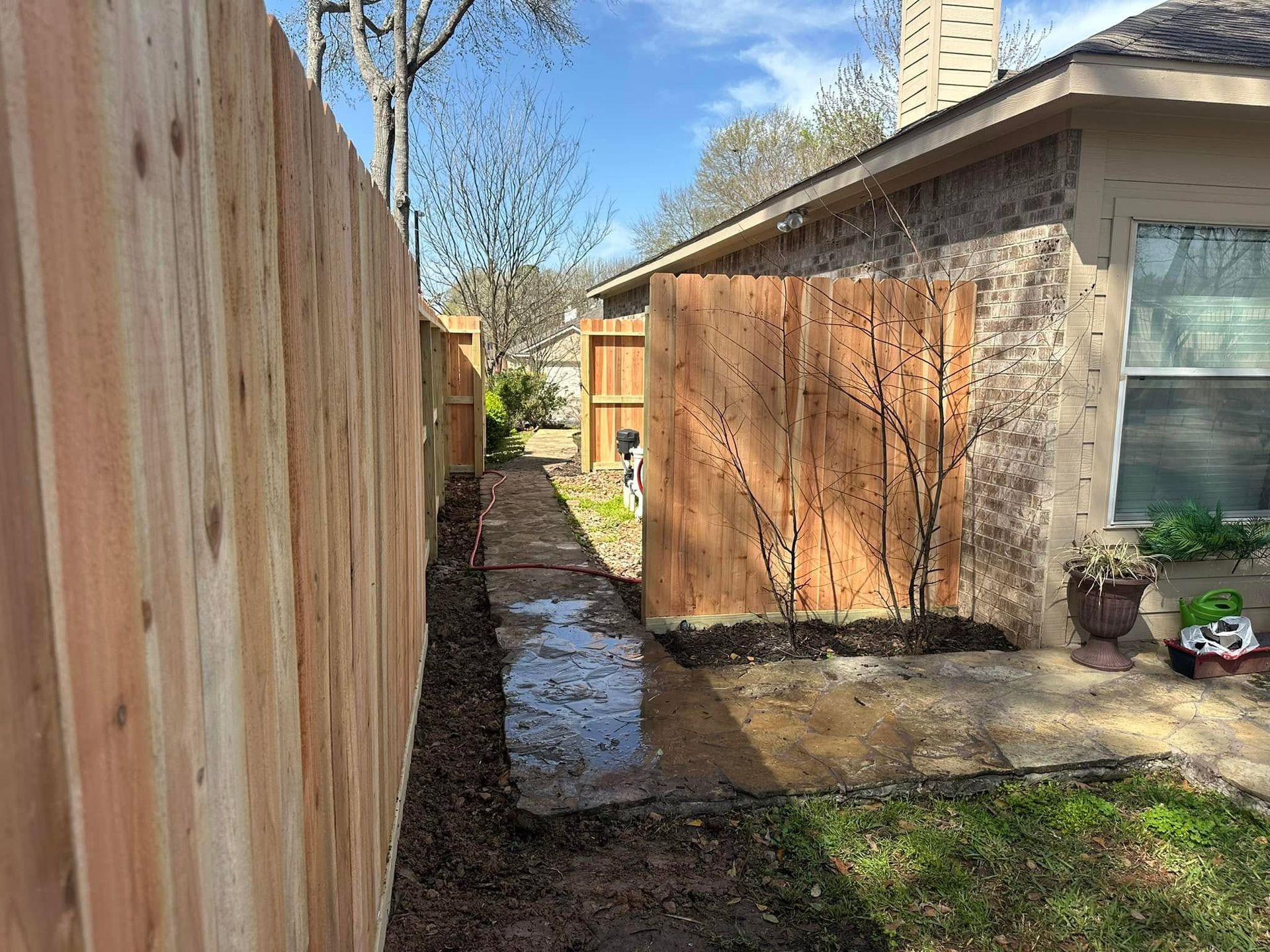
If your diagnostic check reveals localized issues, there are several ways to address them without a full tear out. For a leaning post that is still structurally sound, you may be able to excavate around the base and reset it with high strength concrete. If pickets are rotting at the bottom but the rails and posts are healthy, replacing individual boards and applying a professional grade sealant can extend the life of the fence by several years.
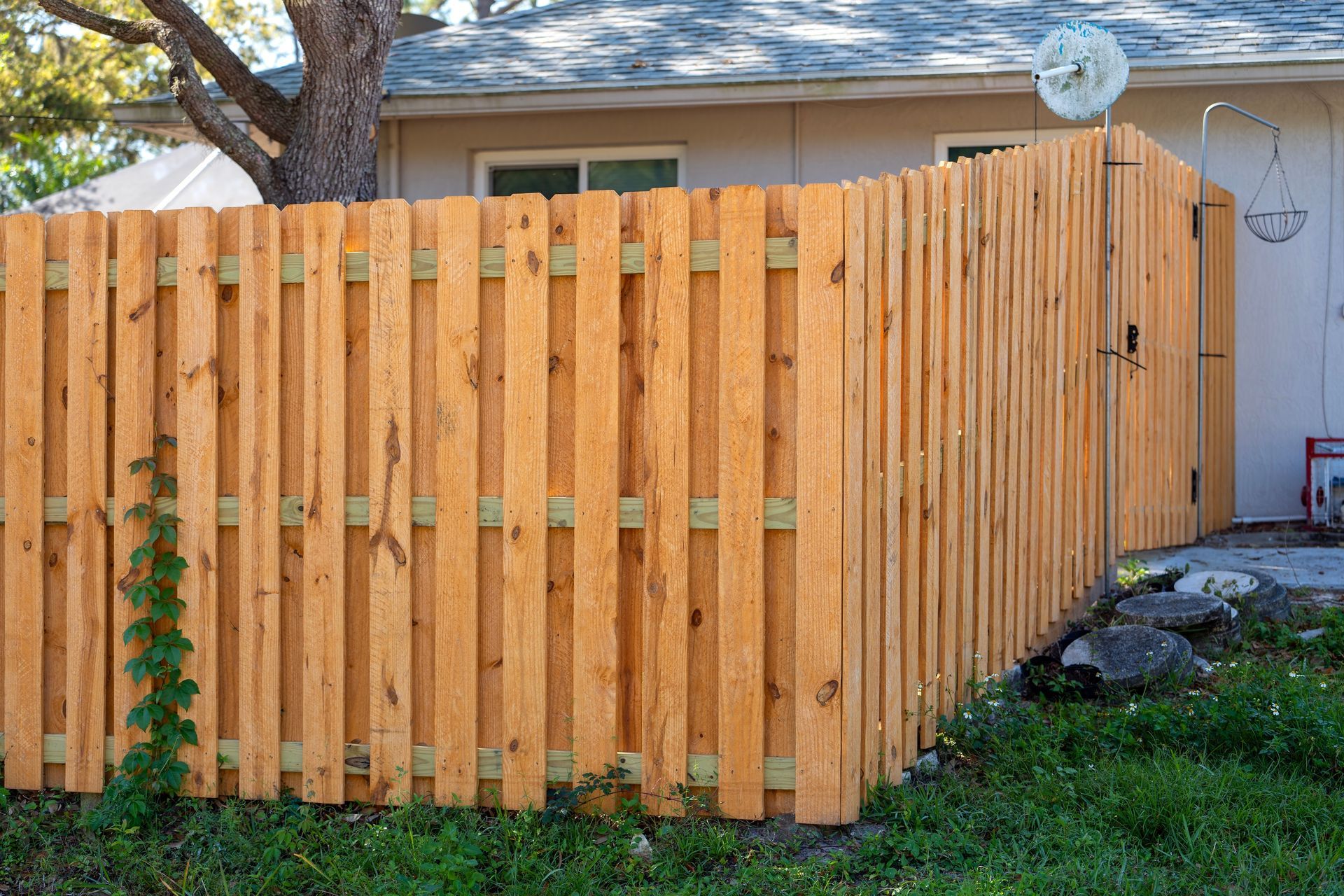
For gate issues, installing a diagonal "anti sag" kit or upgrading to heavy duty hinges can often resolve alignment problems. However, if you find that more than a third of your posts are loose or showing signs of rot at the ground level, the cost of incremental repairs will likely exceed the value of the fence. In these cases, exploring wood fencing or low maintenance vinyl options for a full replacement is the most sustainable financial decision.
Cost Considerations for Fence Restoration
The cost of fixing or replacing a fence in Katy depends on the linear footage and the chosen material. Minor repairs, such as resetting a couple of posts or replacing a gate, typically range from $300 to $800. For a complete replacement, homeowners can expect to pay between $25 and $50 per linear foot for professional installation.
Variables that impact the price include the depth of the post holes, the use of steel versus wood posts, and the height of the fence. While wood is often the most affordable upfront, the long term cost of staining and eventual replacement often makes materials like vinyl or ornamental metal more attractive for those planning to stay in their homes for a decade or more. Consulting a reputable fence company will provide you with a detailed breakdown of these costs tailored to your specific lot.
When to Call a Professional
While minor board replacements are a manageable DIY task, structural failures should be handled by experts. Attempting to reset posts without proper equipment often leads to shallow footings that will fail again within a few seasons. Additionally, if your fence serves as a safety barrier for a swimming pool, it must adhere to strict local Katy building codes. A professional contractor ensures that your perimeter is not only straight and beautiful but also legally compliant and structurally sound enough to withstand the high winds common to our area.
Localized Fencing Insights for Katy Neighborhoods
In established neighborhoods like Nottingham Country or Kelliwood, many fences were installed using older methods that may not have accounted for the intense soil shifting we see today. If you live in an area with mature oak trees, their root systems can also physically lift fence footings, causing the line to buckle. When diagnosing your fence, pay close attention to where the perimeter meets large trees or where drainage naturally pools after a heavy rain. Ensuring that water moves away from your fence line is one of the most effective ways to prevent premature rot and post instability in our local climate.
Why Choose FenceIt for Your Katy Home
FenceIt understands the specific challenges that the Katy environment poses to residential properties. We focus on high quality materials and specialized installation techniques, such as using deeper footings and moisture resistant post sleeves, to combat the local soil and humidity. Our team is licensed, insured, and deeply familiar with the neighborhood associations and building codes throughout the Greater Katy area. We are committed to building authority through craftsmanship, ensuring that every project we touch enhances the security and value of your home.
Schedule Your Fence Diagnostic Today in Katy
If you are concerned about the stability of your fence or simply want a professional assessment of its remaining lifespan, our team is ready to help. we provide thorough diagnostic reviews and expert installation services throughout Katy and the surrounding communities. Call us today to schedule your consultation and keep your property secure.
Quick Answers for Katy Homeowners
Why is my fence leaning after a heavy rain?
Katy’s clay soil expands when wet, which can push against fence footings. If the post was not set deep enough or if the concrete has cracked, the soil pressure will cause the fence to lean. Professional resetting is usually required to fix this permanently.
How can I stop the bottom of my fence from rotting?
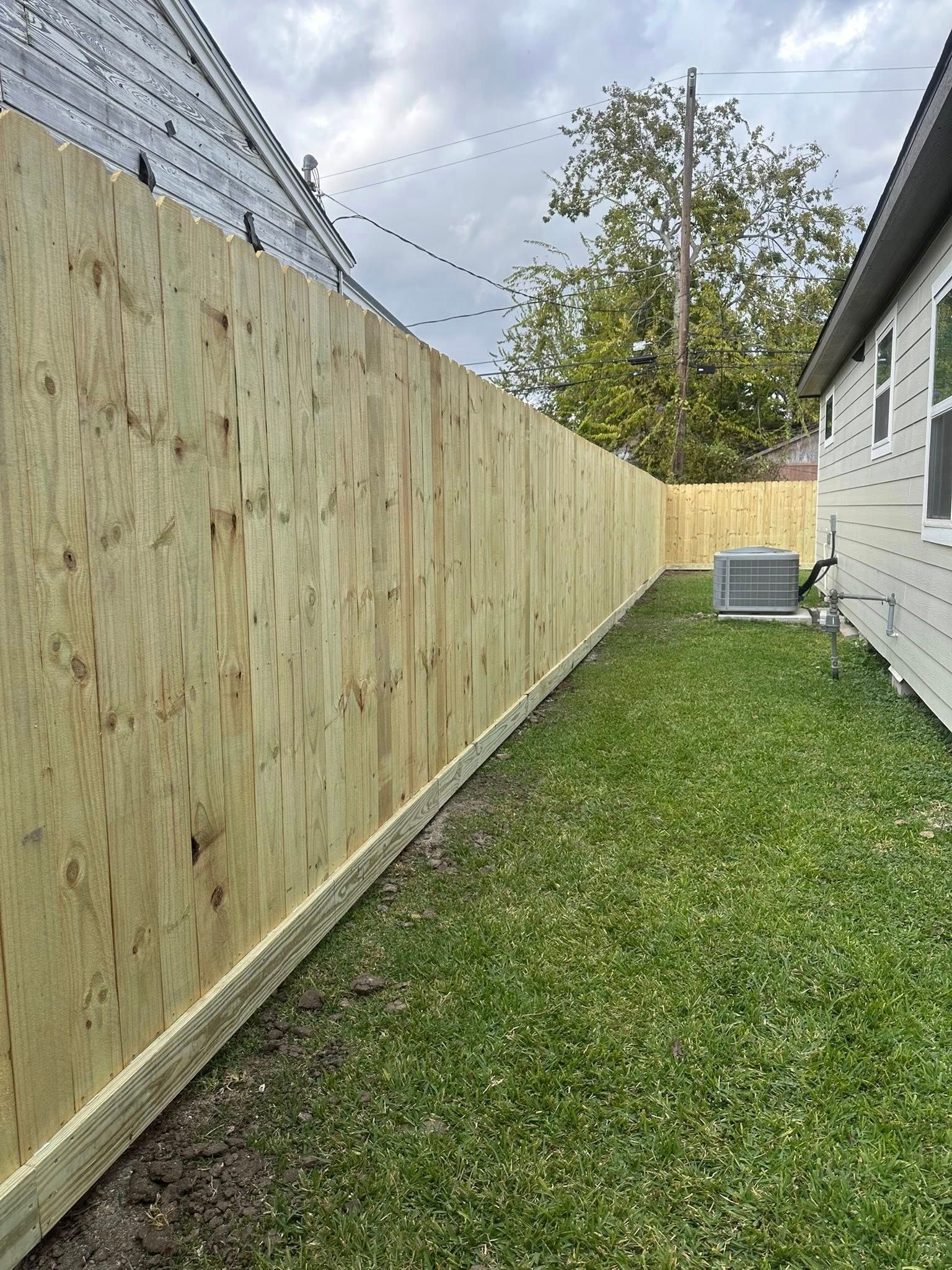
The best way to prevent rot is to ensure the pickets do not make direct contact with the ground. Installing a "rot board" or pressure treated kickboard along the bottom provides a sacrificial barrier that protects your main pickets from soil moisture.
How deep should fence posts be in Katy?
Due to the shifting soil and wind loads in our area, fence posts should generally be set at least 24 to 36 inches deep. This ensures they reach stable soil and have enough leverage to resist leaning during storms.
Does insurance cover fence damage from a storm?
In many cases, homeowners insurance will cover fence damage caused by wind or falling trees, minus your deductible. It is important to have a professional inspection to document the structural failure for your claim.
Is vinyl fencing better than wood for the Katy climate?
Vinyl is highly effective in Katy because it does not absorb moisture, rot, or attract termites. While it has a higher initial cost, its resistance to humidity and UV rays often makes it more durable than traditional wood fences.